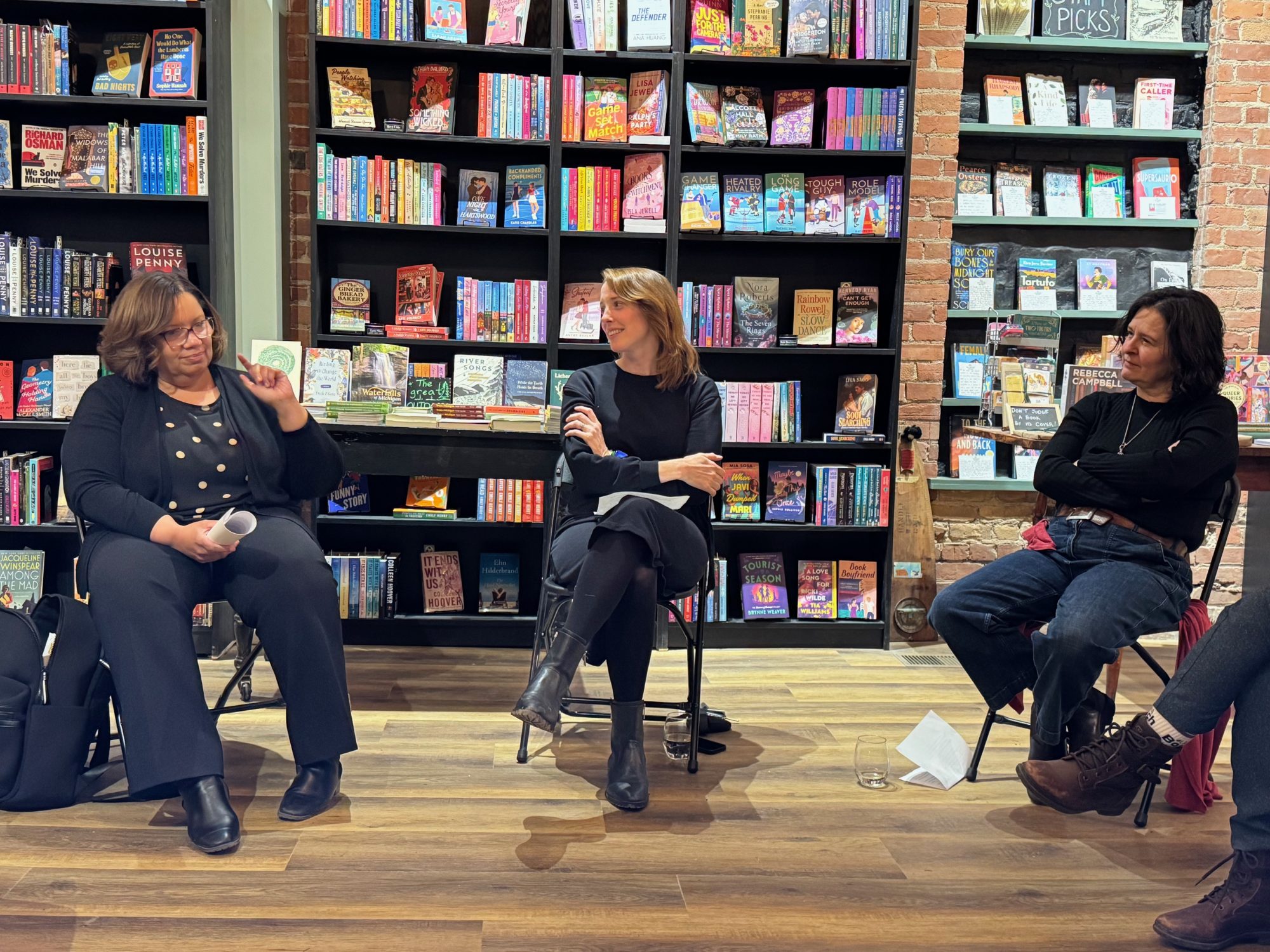

Community members gathered at Serendipity Books on Tuesday, Feb. 17, for a discussion on media literacy and the current state of journalism.
Lynette Clemetson, director of the Wallace House Center for Journalists at the University of Michigan, said the definition of media literacy has shifted in an era shaped by artificial intelligence, rapid content production and algorithm-driven information.
“The speed of producing content is concerning,” Clemetson said. With video, images and machine-generated material circulating widely online, she said it has become harder for audiences to distinguish verified journalism from manipulated or misleading information.
Clemetson described journalism as a discipline built on standards that differ from general online content. Professional journalists are expected to verify information, speak to multiple sources and correct errors publicly when they occur.
“If you make a mistake, you have to correct it,” she said. “Start from a place of conveying truth.”
She outlined several elements of media literacy discussed during the forum: understanding the differences among types of media and content, familiarity with the First Amendment, knowledge of journalistic ethics, and the ability to check facts and trace information to original sources.
Clemetson also addressed the pressures facing journalism today, particularly as the lines between activism, opinion and reporting become less distinct online. Journalists, she said, must be willing to speak with people across perspectives and follow facts even when findings evolve.
“In the act of reporting, you have to be willing to talk with everyone and ascertain the truth,” she explained, noting that objectivity requires a clear distinction between advocacy and journalism.
“Journalism is the first draft of history,” Clemetson said, adding that both journalists and scholars play important roles in documenting and interpreting events.
She also encouraged attendees to build habits around verification, including using reverse image searches, reading “About” pages on websites and seeking multiple credible sources- particularly before sharing information online. Practicing those skills when stakes are low, she said, makes it easier to apply them during breaking news situations.
The event was presented as a public conversation about how individuals can better navigate today’s information ecosystem. Donations from the evening were designated for the Reporters Committee for Freedom of the Press, which provides pro bono legal support to journalists and news organizations and is expanding its Local Legal Initiative to Michigan in 2026.
Kristin Giant, executive director of the Children’s Literacy Network, connected foundational reading skills to media literacy, noting that the ability to read critically underpins the ability to evaluate information. The forum marked the beginning of a planned series of public conversations focused on different forms of literacy.
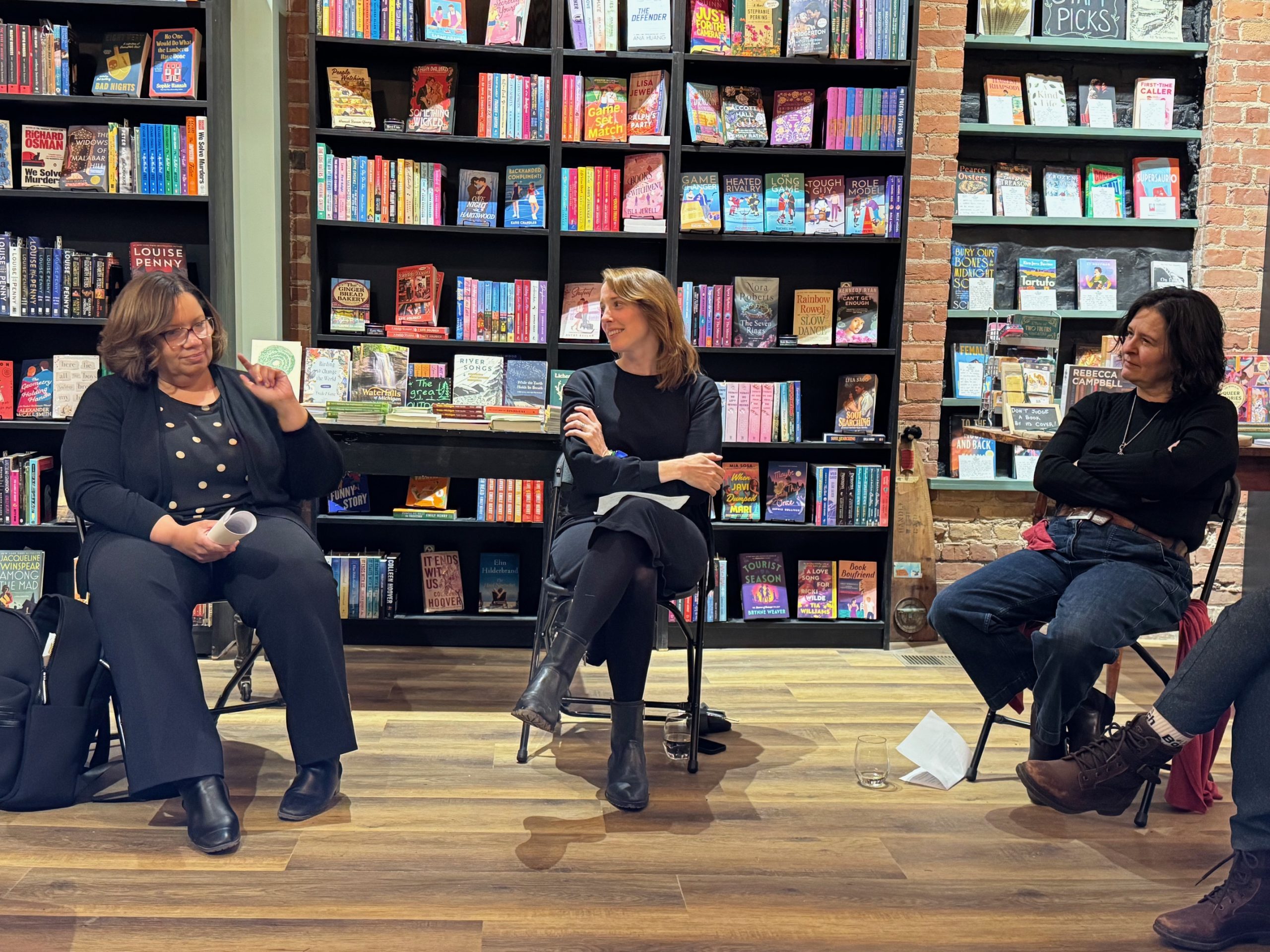
Featured image: Lynette Clemetson, left, speaks during a media literacy forum Tuesday at Serendipity Books in Chelsea. She was joined by Kristin Giant, center, and Michelle Tuplin. Photo by Heather Finch






 8123 Main St Suite 200 Dexter, MI 48130