NOAA’s latest monthly climate update shows that La Niña, the Pacific pattern that can influence winter weather across the U.S., is still hanging on. But forecasters say it likely won’t last much longer.
What this means for Southeast Michigan
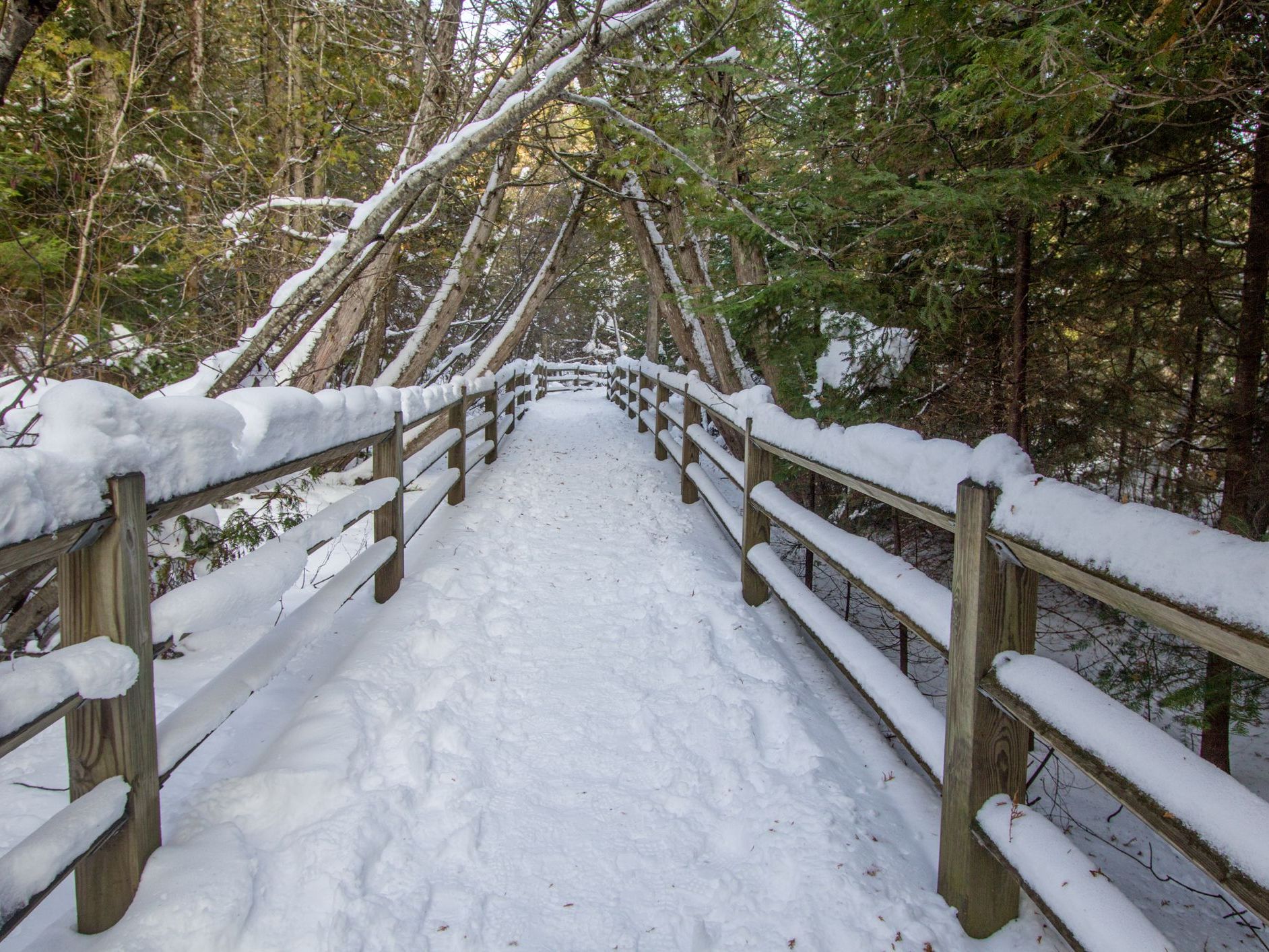
For our region, La Niña doesn’t bring dramatic changes, but it does tilt the winter pattern in some familiar directions:
- Temperature swings: Expect cold spells followed by brief warm-ups, instead of long stretches of steady winter cold.
- Snowfall that’s close to normal: Michigan can still get lake-effect bursts and clipper systems, but La Niña typically doesn’t guarantee heavier snow for Southeast Michigan.
- Fast-moving storms: The northern U.S. tends to be more active during La Niña, which can mean more quick, lighter systems rather than big, wet snowstorms.
Nothing in NOAA’s discussion points to an extreme winter for Michigan, more of a typical mix of ups and downs.
A shift toward spring
NOAA gives a 68% chance that La Niña fades and the Pacific returns to neutral conditions sometime between January and March. Even after that happens, lingering effects may influence early spring. Past years with a similar setup often saw:
- A slower warm-up,
- Cooler-than-normal early spring weather, and
- More windy, unsettled days as seasons change.
Washtenaw County
Southeast Michigan is looking at a fairly standard winter, some snow, some thaws, and no strong signal for anything out of the ordinary. The bigger story may come later, as the transition away from La Niña could delay those first real signs of spring.



 8123 Main St Suite 200 Dexter, MI 48130