


Saline Area Schools is using a common set of safety terms so students, staff, families and first responders know what the same words mean during drills or emergencies.
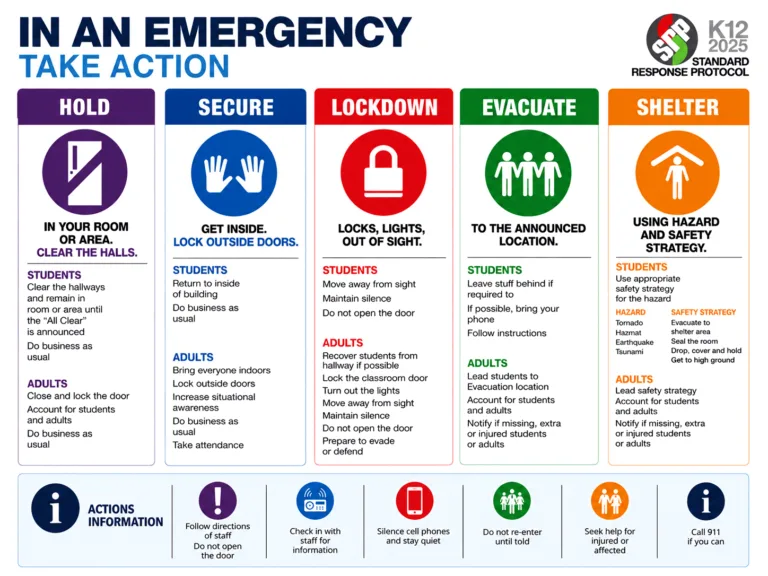
The district uses the Standard Response Protocol, or SRP, from the I Love U Guys Foundation. The protocol uses five actions: Hold, Secure, Lockdown, Evacuate and Shelter. Each one gives students and adults a clear direction.
Dan Karrick, Saline’s director of safety and security, said the goal is clear communication when quick action is needed.
“The Standard Response Protocol terminology is all about clarity, direction, and speed,” Karrick said. “The SRP provides a strong, plain-language foundation that helps us communicate quickly and clearly to our students, staff, families, and first responders.”
The five actions are meant to replace confusing code words or building-by-building language.

A Hold keeps students in classrooms or other areas while hallways are cleared. Karrick said that could be used for a medical issue, a spill or another situation where students need to stay out of the way while staff respond.
A Secure response means people get inside and outside doors are locked because of something happening outside the building. Lockdown is used when there is a threat inside the building. Evacuate means students and staff move out of an area, such as during a fire or gas leak. Shelter means students and staff move to a safer place inside the building, such as during severe weather.
Saline began using the protocol after Michigan State Police introduced it at a School Safety Academy in summer 2024. Karrick said the change helped create consistency across district buildings.
Michigan schools are now required to use standardized response language, and schools are expected to be in compliance by the start of the 2026-27 school year. Saline is already following that practice, according to the district.
The district has also connected the safety language with InformaCast, a notification system from Singlewire. Jay Grossman, Saline’s director of instructional technology, said the system helps the district send clear messages throughout school buildings.
“With 550,000 square feet to cover at the high school alone, we needed to ensure every corner, including noisy gyms, stairwells, and isolated hallways, could receive clear, actionable instructions,” Grossman said.
Grossman said the technology supports the language students and staff already practice.
“Adopting the Standard Response Protocol has really simplified how we approach safety across our district,” Grossman said. “It takes the guesswork out of a crisis by giving our students, staff, and first responders a common language to lean on.”
Karrick said the district wants parents to understand what students are learning.
“We want parents to be partners in what our students are learning related to safety and security in our schools, and being informed about standard response protocols is an important first step,” Karrick said.
Students practice the procedures through regular, age-appropriate drills. In kindergarten through third grade buildings, staff use age-appropriate conversations and social stories to help younger students understand what to do. Karrick said Saline does not conduct unannounced drills.
“Our students have opportunities to practice these procedures on a regular basis through the facilitation of age-appropriate drills,” Karrick said. “Our teachers and principals create safe and supportive environments for students to learn.”
Jackie Martin, Saline’s executive director of communications and community relations, said families should know the district’s first priority during an emergency is to keep students safe, then gather facts and notify families as soon as possible.
The district has parent information about safety and security available on its website.

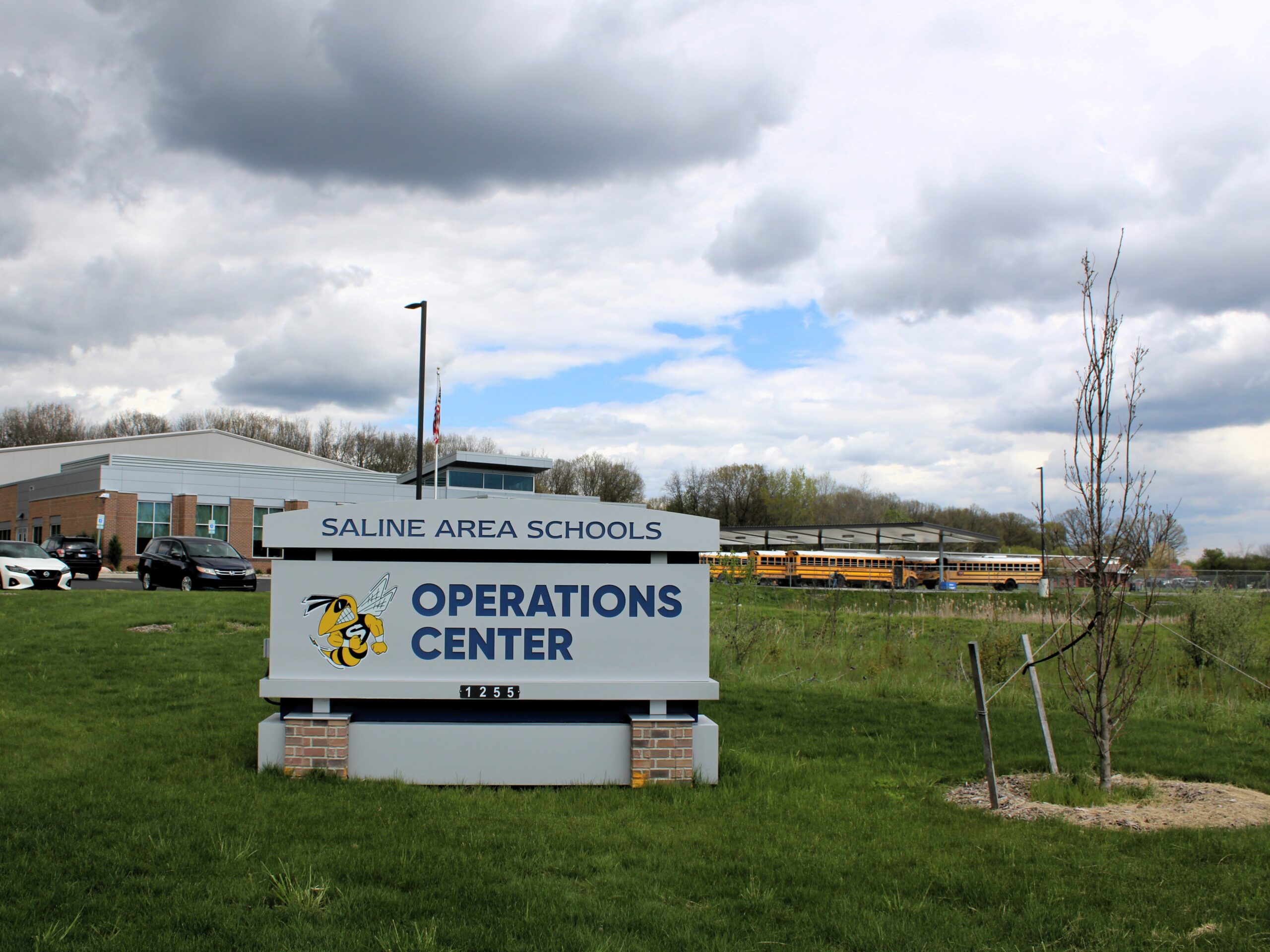
Featured image: Saline Area Schools uses the Standard Response Protocol to create consistent safety language across district buildings. Photo by Heather Finch













 114 North Main St Suite 10 Chelsea, MI 48118