Stand on a Lake Michigan beach on a calm summer morning and it’s easy to believe the water has always looked this way — clear, blue, and endless. But it hasn’t. Much of what Michiganders now take for granted is the result of decades of cleanup, regulation, and persistence, a story reflected throughout the state’s latest report on the health of the Great Lakes.
The 2025 State of the Great Lakes Report from the Michigan Department of Environment, Great Lakes, and Energy (EGLE) covers everything from invasive species to drinking water standards. Buried in its pages are some clear signals that should matter to everyday Michiganders.
Cleanup and Conservation Work
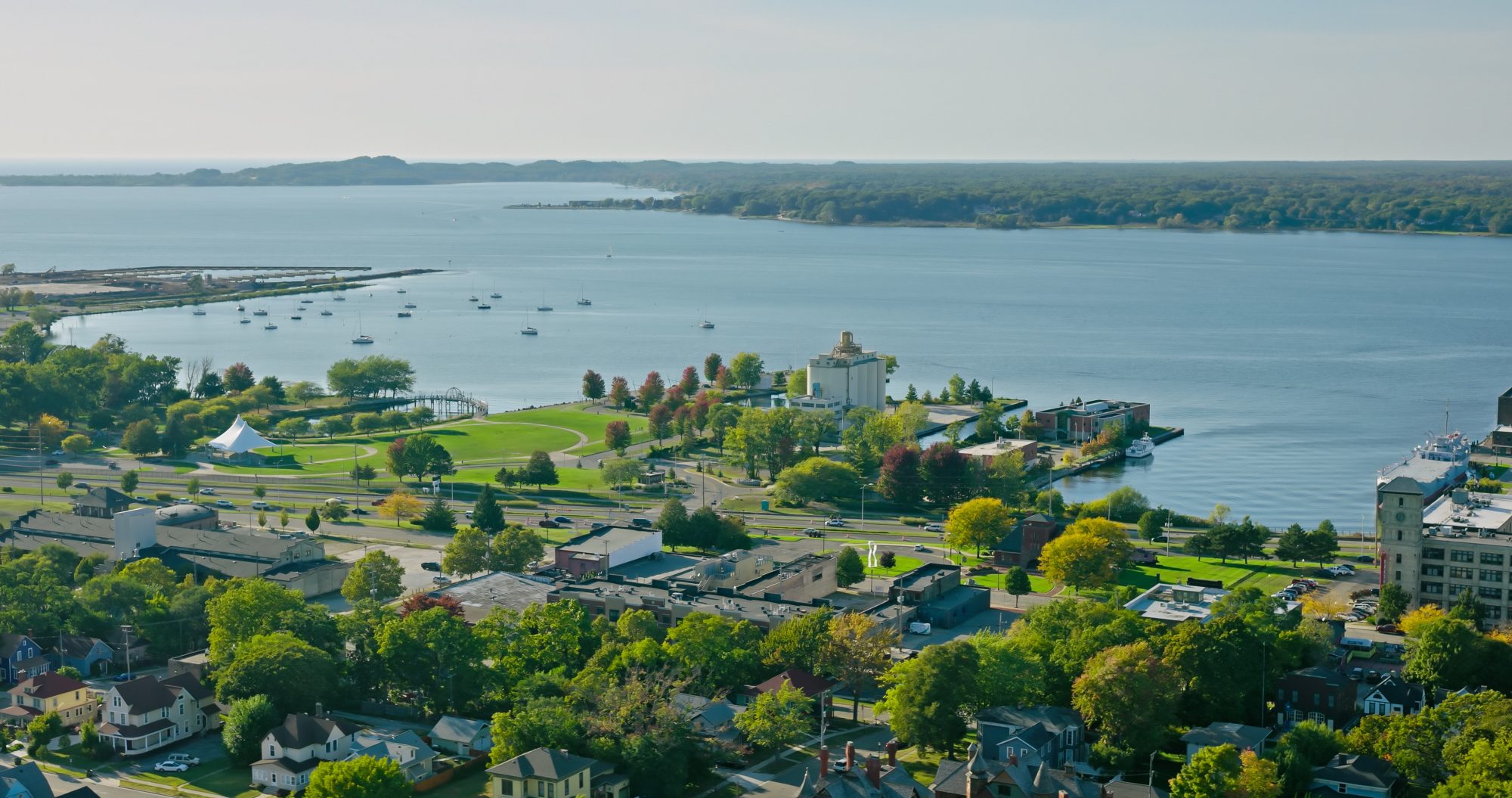
For decades, Muskegon Lake was one of the Great Lakes system’s most troubled waters, contaminated by years of industrial pollution and largely cut off from public use. That changed in 2025, when the lake was officially removed from the list of Great Lakes “Areas of Concern.”
Fish consumption warnings have been lifted, beaches and waterfronts are open again, and a lake once written off is now a community and economic asset. The turnaround is one of the strongest examples in the report of what long-term commitment can accomplish.
Protecting the Sixth “Great Lake”
The report makes a strong case that surface water and groundwater can no longer be treated as separate systems. More than half of Michigan residents rely on groundwater for drinking water, and EGLE now treats it as an essential part of the Great Lakes ecosystem, effectively a “sixth Great Lake.”
New tools are being used to better evaluate how large water withdrawals affect streams, lakes, and nearby communities, while Michigan continues to enforce some of the strongest lead and PFAS standards in the nation.
Economic Engine, Not Just a Great View
Beyond environmental protection, the report highlights the lakes’ role in Michigan’s economy. Shipping, ports, ferries, marinas, tourism, and recreation together form what the state calls Michigan’s “blue economy,” now valued at more than $15 billion annually.
A new Michigan Maritime Strategy, expected in 2026, aims to modernize ports, reduce emissions, and keep maritime jobs in-state. The focus is on growth that doesn’t repeat the pollution mistakes of the past.
Real New Threats
The report lists ongoing challenges. Harmful algal blooms in western Lake Erie, microplastics in rivers and lakes, and invasive species remain persistent threats.
What’s changed is the approach. Michigan is expanding monitoring, funding research, and testing new prevention strategies, including projects designed to capture plastic pollution in rivers before it reaches the Great Lakes. It’s a shift toward proactively stopping problems upstream rather than reacting after damage is done.
Great Lakes Identity
Running quietly through the report is something less technical but just as important, which is our identity. The Great Lakes aren’t framed as a resource to be used up, but as a shared responsibility passed from one generation to the next.

From tribal stewardship of wild rice to restored urban riverfronts, the report reinforces a simple idea: protecting the lakes isn’t optional in Michigan. It’s part of what defines us as a state.
Bottom Line
Michigan’s waters are cleaner than they were, but the work is far from finished. And for once, the state appears committed to playing the long game.
For the Great Lakes State, that’s news worth paying attention to.
The entire report can be found at Michigan.Gov/EGLE
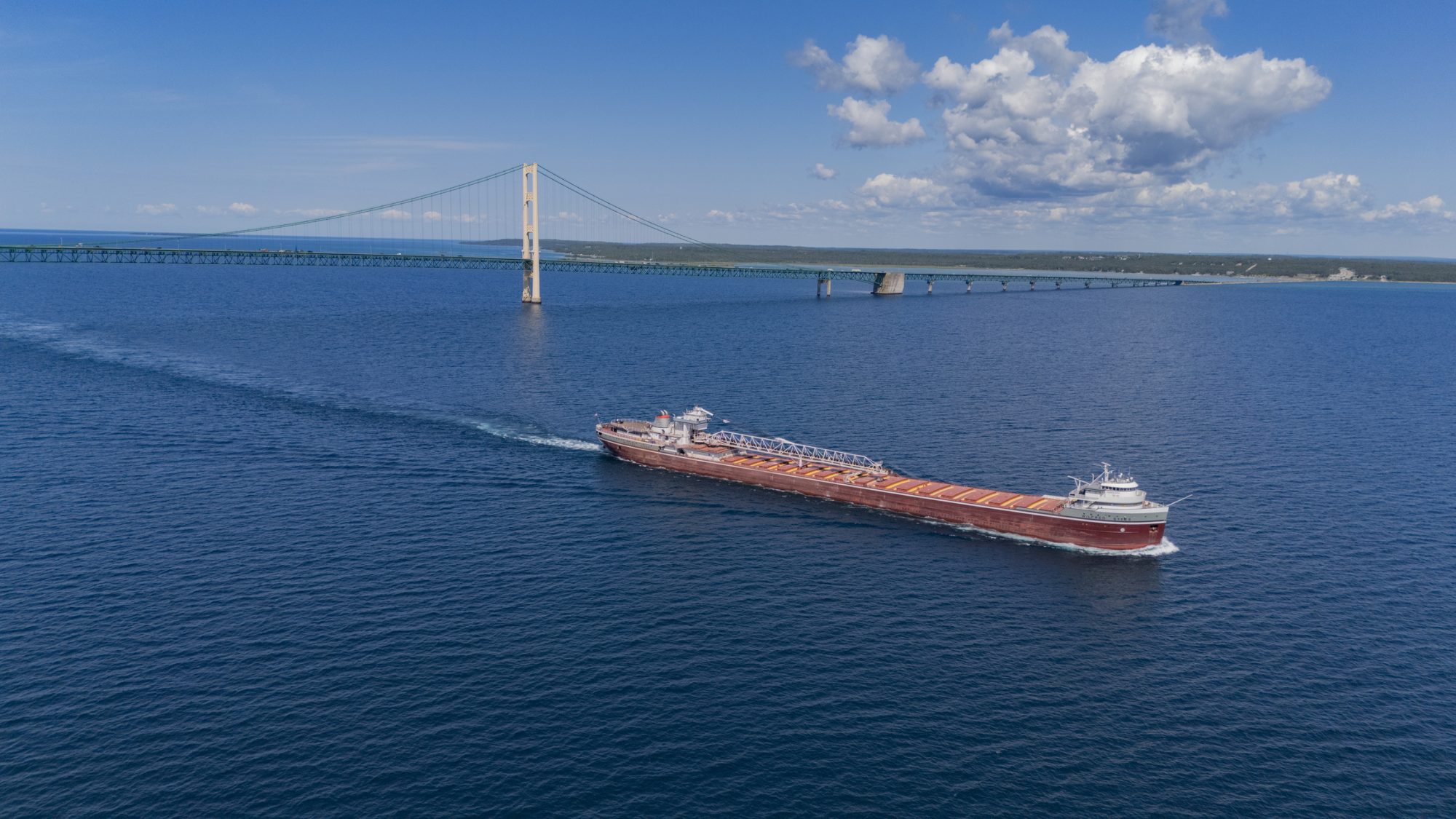
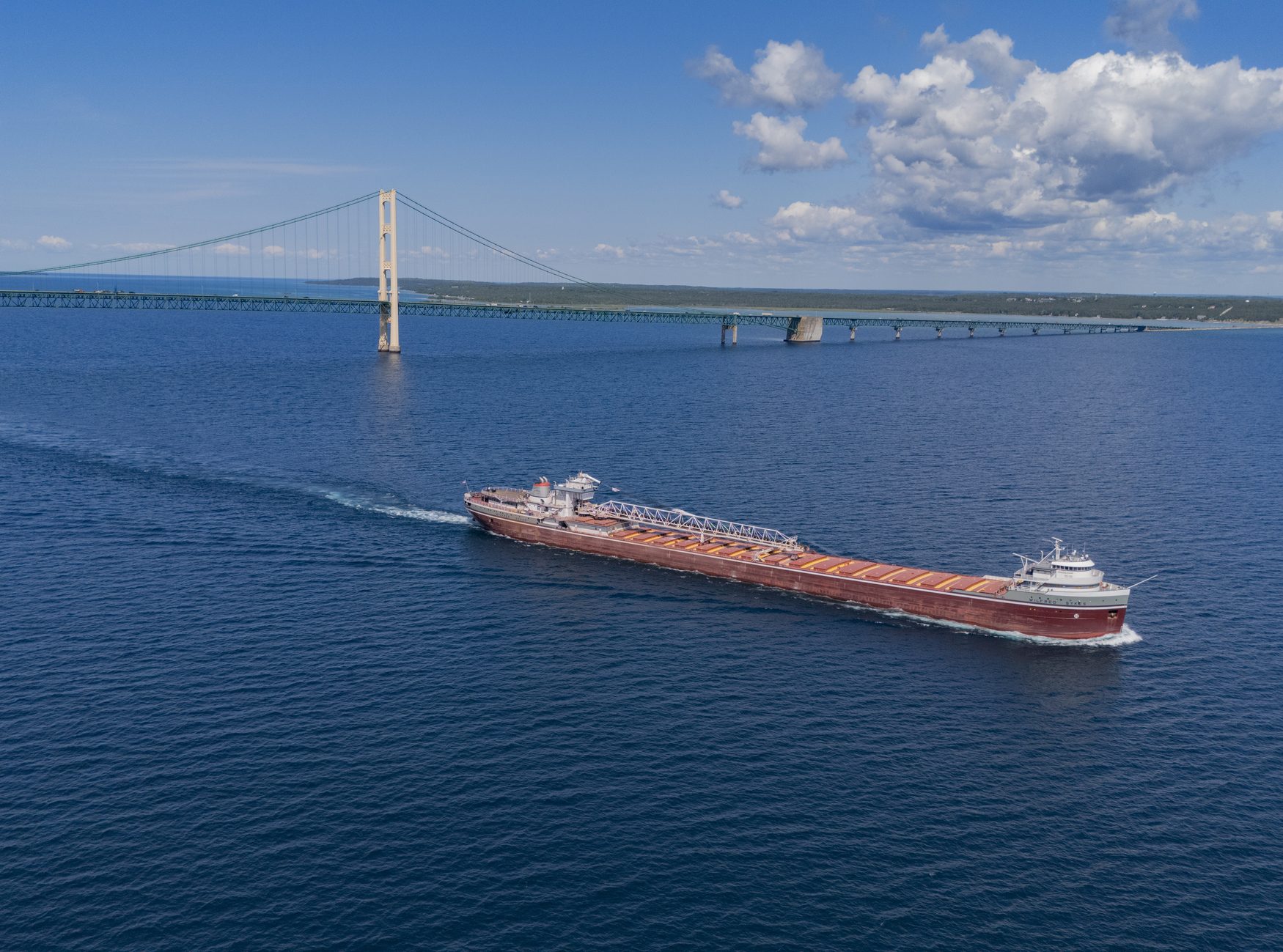
Featured Photo: A Great Lakes freighter passes beneath the Mackinac Bridge at the Straits of Mackinac, part of a vast shipping network that moves raw materials and goods across the region. Commercial shipping is a cornerstone of Michigan’s “blue economy,” supporting tens of thousands of jobs and contributing billions of dollars each year to the state’s economy. Photo by John Touscany.




 8123 Main St Suite 200 Dexter, MI 48130