“We can set an example for the rest of the nation on how to build these facilities the right way and grow our economy at the same time.”
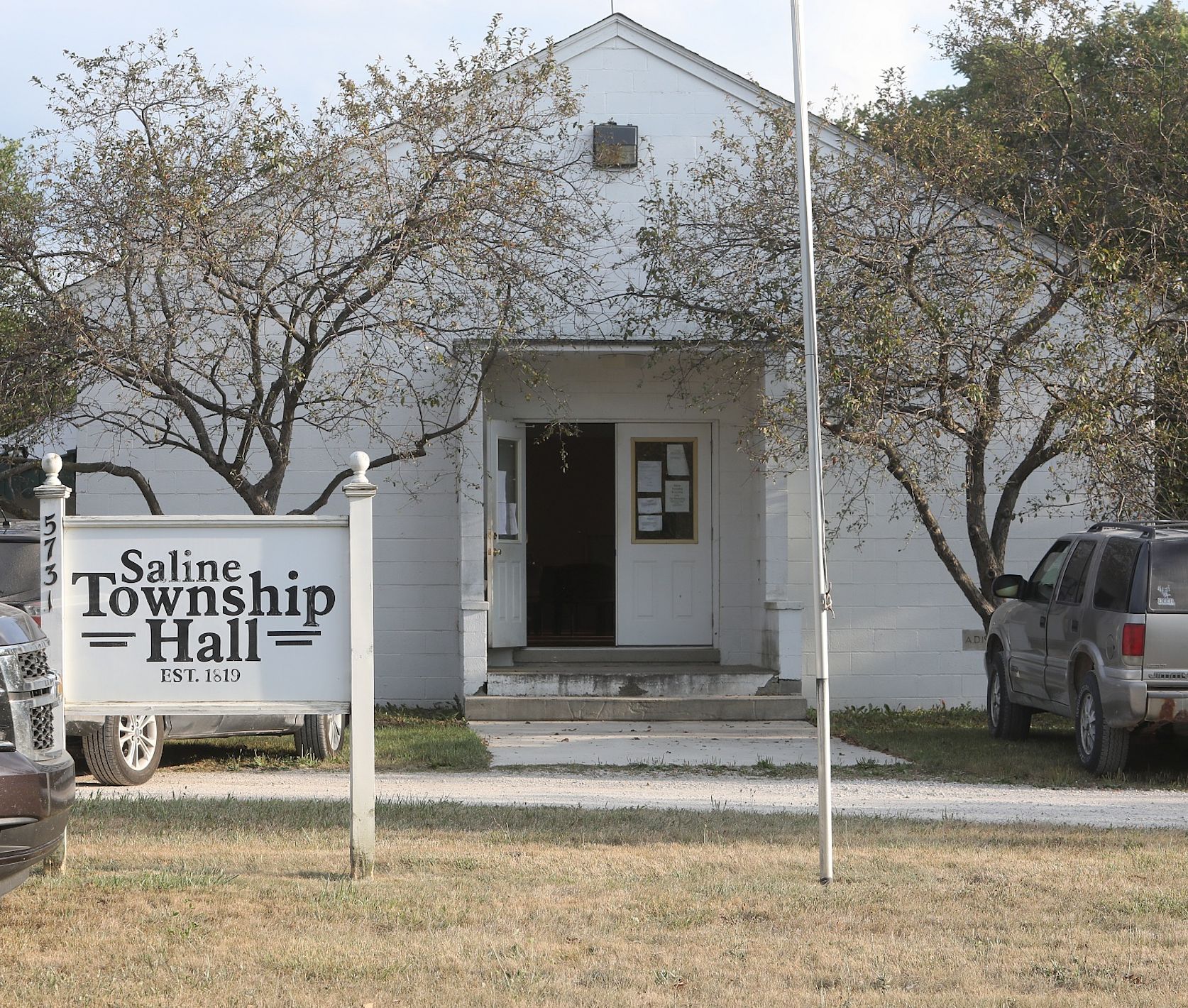
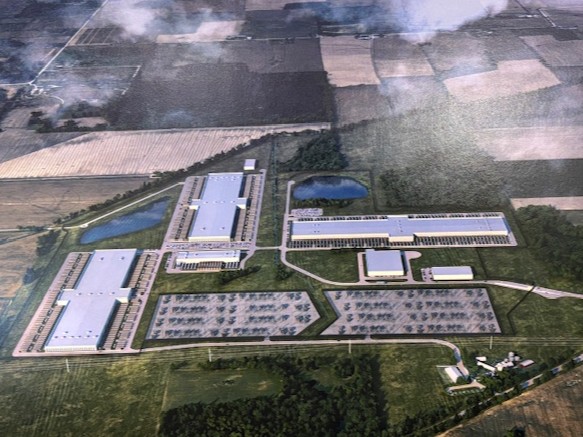
Yesterday, Michigan Governor Gretchen Whitmer issued a public comment to the Michigan Public Services Commission (MPSC) in support of data center development in Michigan and specifically the OpenAI Stargate data center slated for Saline Township.
Ultimately, Whitmer argues, data centers are a critical piece of advancing US infrastructure and their development is inevitable. As such, her administration suggests Michiganders should consider how hosting this infrastructure can be net beneficial to the state and its residents.
“The question isn’t whether they will be built, but rather: Can Michigan benefit from these jobs and build data centers in a smarter way while upholding our strong environmental laws to protect our precious natural resources? We have an opportunity to do both. We can set an example for the rest of the nation on how to build these facilities the right way and grow our economy at the same time.”
Whitmer said her decision to support data center development in Michigan comes after extensive scrutiny from her team. “My administration has spent months examining the details of this project, coordinating across state agencies, and engaging closely with the companies involved.”
Her team, “thoroughly vetted each of these commitments. We consulted with environmental regulators, utility experts, and local governments to confirm that the facility’s power needs can be fully met by existing DTE generation and that Oracle’s funded upgrades will maintain reliability without shifting costs to ratepayers.”
The letter also suggests that her administration’s review of the project was explicitly meant to examine commitments made by the various parties, including DTE, and ensure those promises are kept, saying, “…every claim made by the companies was independently verified.”
Though Whitmer’s statement does not specifically address DTE’s request for fast-track approval, it does emphasize the importance of timing, and notes that Michigan is in competition with China and even other US states, who are moving quickly to “land projects with far less oversight.”
“Michigan must remain competitive in a global race that affects not only jobs but technological leadership and economic security. This project represents a chance for our state to anchor a critical part of the country’s future infrastructure.”
The full text of Governor Whitmer’s statement reads:
Chairman and Commissioners:
Thank you for the opportunity to submit a comment as you continue your review of the proposed OpenAI Stargate project. My administration has spent months examining the details of this project, coordinating across state agencies, and engaging closely with the companies involved. As you evaluate the record before you, I want to share the perspective that guided my support for this proposal and the principles that underpinned our vetting.
Michigan has always been a leader in building the next big thing. This tradition of leadership—across manufacturing, mobility, clean energy, and advanced computing—shapes how we approach large-scale projects. When discussions with these companies began, our question was not whether Michigan could host a project of this scale, but whether the project could meet Michigan’s standards and benefit Michigan’s people. From the beginning, my administration sought out a project with companies prepared to invest responsibly, protect our natural resources, and deliver real benefits for Michigan workers and communities.
The reality is that data centers are going to be a big part of America’s future. The question isn’t whether they will be built, but rather: Can Michigan benefit from these jobs and build data centers in a smarter way while upholding our strong environmental laws to protect our precious natural resources? We have an opportunity to do both. We can set an example for the rest of the nation on how to build these facilities the right way and grow our economy at the same time.
This framing drove the work my administration did in partnership with these companies, ensuring that Michigan’s environmental protections remained non-negotiable and that the economic benefits are real, long-term, and widely shared. We scrutinized the project’s energy profile, water system, land use, and community impact to ensure it aligned with our values and our laws.
This project will create 2,500 good-paying union construction jobs, more than 450 permanent high-skill, high-paying jobs on site, and 1,500 more in the community. This means more diners in local restaurants and more shoppers at the local grocery store or small businesses, which will grow the local economy and put more money back in people’s pockets. It also means more funding for local schools and local roads to help students thrive and keep drivers safe. These benefits also extend beyond the immediate region. The project strengthens Michigan’s long-term competitiveness in the fast-growing AI and advanced computing sectors, helping ensure our state remains a destination for innovation and talent.
I am proud that Michigan was chosen for this project because of our strong workforce and talent base, as well as our competitive business environment. Thousands of union construction workers will build this project and thousands more graduates of our public universities, including the University of Michigan, will be able to find cutting-edge, high-tech jobs right here in Michigan because of this investment. This point underscores an essential truth: Michigan earned this project on the strength of our people. Our universities, apprenticeships, and skilled trades provide a deep pipeline of talent that companies like these want to build around. That is a long-term strategic advantage for our state.
As Michiganders, we take pride in our environment and natural resources. I would only ever support a project that meets the state’s highest environmental standards. That’s why we worked with these companies to ensure that the data center they’re designing—one of the most advanced ones ever built—will protect Michigan’s air, water, and land. Environmental protection has always been a bedrock principle of my administration, and that commitment guided the depth of our review.
My administration thoroughly vetted each of these commitments. We consulted with environmental regulators, utility experts, and local governments to confirm that the facility’s power needs can be fully met by existing DTE generation and that Oracle’s funded upgrades will maintain reliability without shifting costs to ratepayers. Their perspective, combined with technical input from EGLE and local officials, strengthened our understanding of the project’s environmental and grid impacts and ensured that every claim made by the companies was independently verified.
Our thorough review also means electricity rates won’t go up for Michiganders because DTE already supplies the energy this facility needs and Oracle is funding any additional upgrades to the grid out of their own pocket. It also means this facility will not use any additional water than a typical office building because it is designed as a closed-loop system to constantly reuse and recycle existing water. And lastly it means we are preserving hundreds of acres of farmland, wetlands, and open space for future generations to enjoy.
These commitments were crucial. Ratepayer protection, water stewardship, and land preservation are core values of my administration, and I am confident the project as designed aligns with those priorities.
Right now, time is of the essence. There is a shortage of global computing capacity, and China is moving aggressively to build their own centers and get a leg up on America. At the same time, other states are moving fast too, competing against Michigan to land similar projects with far less oversight. This is a matter of national security and economic competitiveness, and if we do not act, it will cost us thousands of jobs and billions of dollars of investment in our economy.
Michigan must remain competitive in a global race that affects not only jobs but technological leadership and economic security. This project represents a chance for our state to anchor a critical part of the country’s future infrastructure. Let’s reject false choices as we work together to create thousands of good-paying jobs AND protect our environment AND outcompete other states and nations. Let’s get it done.
Thank you for your thoughtful review of this proposal and for your service to the people of Michigan. I appreciate the Commission’s diligence and professionalism as you evaluate the full record.
Sincerely,
Gretchen Whitmer
Governor



 8123 Main St Suite 200 Dexter, MI 48130