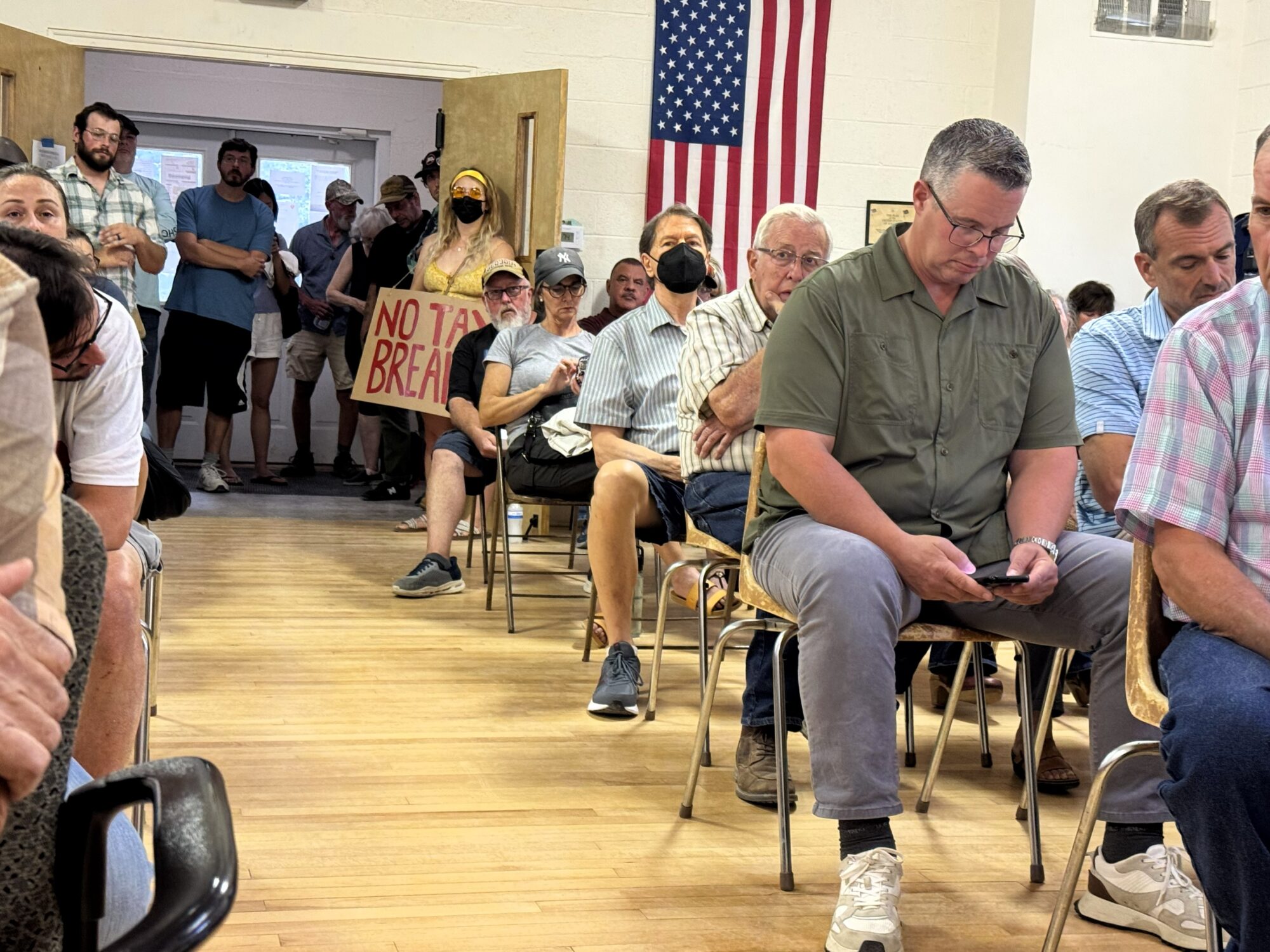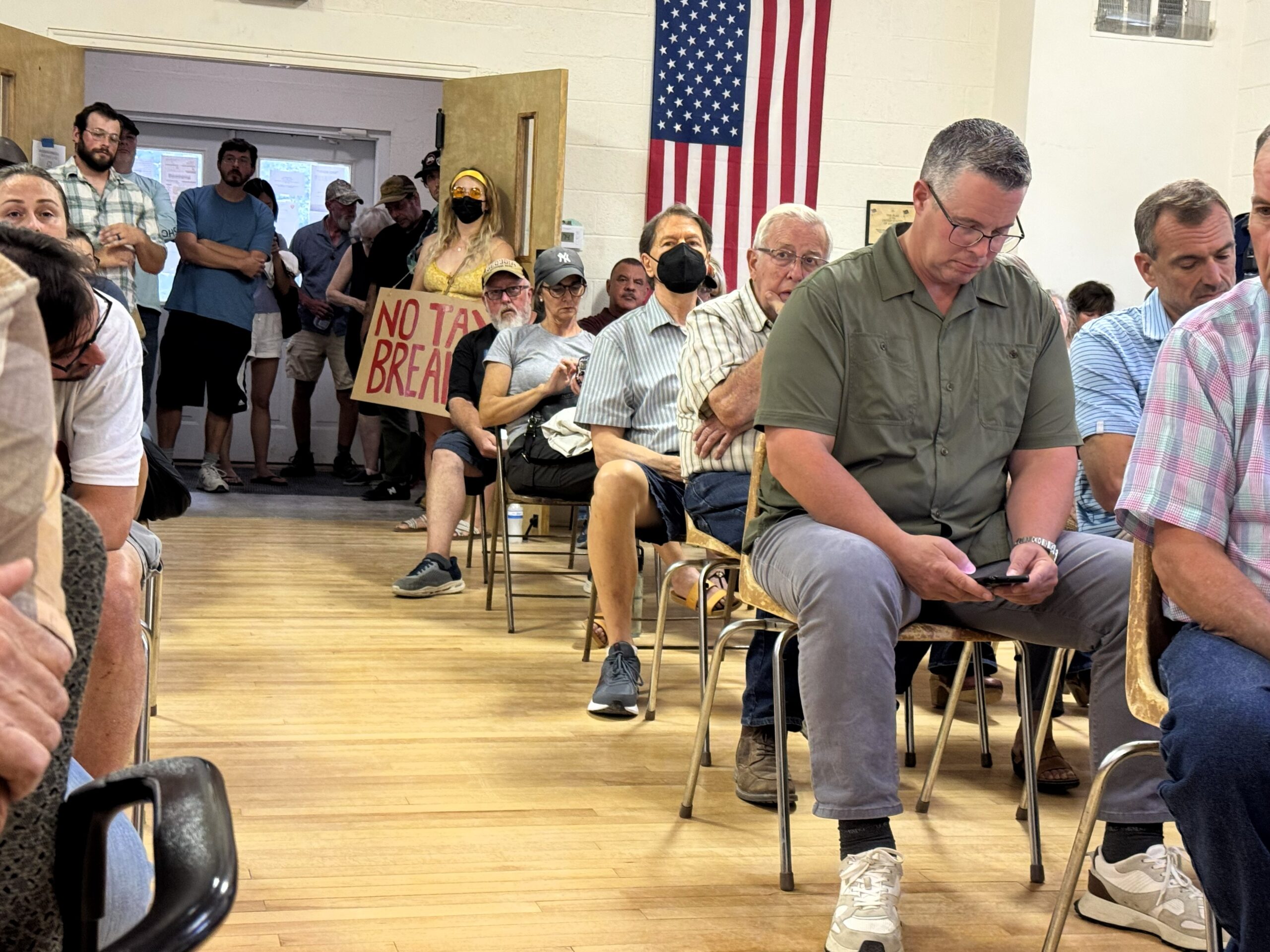




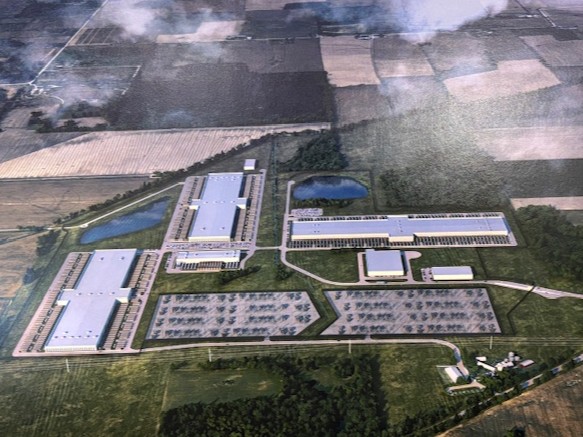
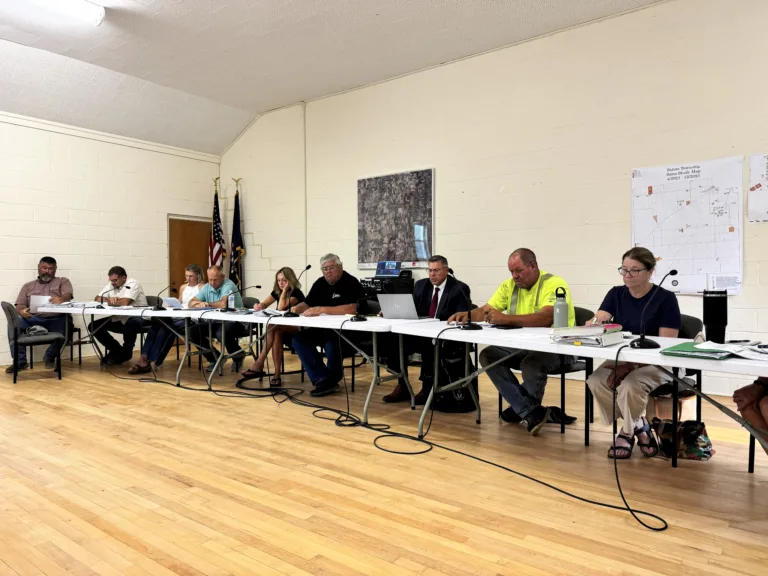
Three days after limiting an Oracle data center tax abatement to $4.8 billion, the Saline Township Board reversed course Friday and unanimously approved the developer’s application based on about $43 billion in proposed investment.
Tuesday’s vote had unfolded very differently. Trustee Dean Marion initially moved to approve the exemption as presented, but no one offered support.
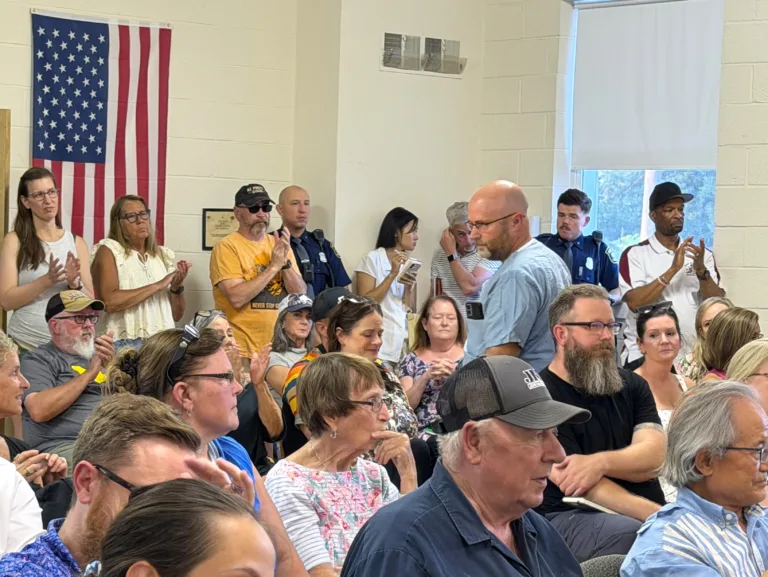
“I can’t,” Trustee Gary Luckhardt said, drawing applause.
Marion then moved to limit the exemption to $4.8 billion, and the motion passed unanimously.
On Friday, the board removed that limit after attorney David Landry warned it would be sued and lose if it maintained the cap. The board acted before hearing public comment, prompting anger and renewed questions about what had changed in three days.


Legal Warning Drives Reversal
Landry said Tuesday’s action violated both the township’s court-approved consent judgment with the developer and Michigan’s Industrial Facilities Exemption Act, commonly known as Act 198.
“The township shall approve the IFEC,” he said, emphasizing language requiring the maximum exemption.
Landry advised the board to approve the application Related Digital submitted May 18.
“What happens if you don’t do that? You’re going to get sued,” he said. “You’re going to get sued for violating the consent judgment, and you’re going to get sued for violating Act 198, and you’re going to lose.”
The warning echoed the legal pressure behind the original settlement. The board rejected the developer’s rezoning request 4-1 and was sued two days later.
Township officials have said they negotiated the settlement to reduce legal and financial exposure while preserving some local control through restrictions addressing water use, noise, wetlands, monitoring wells and neighboring wells.
Because the project moved forward through a court-approved settlement rather than an approved rezoning, residents could not challenge it through a referendum.
Landry warned that maintaining the $4.8 billion limit could expose the township to attorney fees, costs and damages tied to construction delays and contracts. He estimated the liability could exceed $1 million, with township residents ultimately responsible.

How the Exemption Works
The Industrial Facilities Exemption Certificate, or IFEC, would provide a 50% tax exemption for up to 12 years.
The approximately $43 billion listed in the application does not mean the company immediately receives an exemption on the full amount. Taxable value will be determined as property and equipment are placed into service and reviewed by the township assessor and Michigan State Tax Commission.
Landry said the $4.8 billion figure attached to the settlement was part of an incomplete form, not the executed application the township was required to approve.
He said the township could still include a clawback provision requiring the developer to repay some tax savings if it abandoned the project before the exemption period ended.
Supervisor Tom Hammond asked whether the settlement’s environmental and operational protections would remain in effect. Landry said they would.
Hammond also said the township had sought other legal advice and would be making changes, but the board did not explain that advice before voting.
Treasurer Beth Boulter moved to amend Tuesday’s action and approve the May 18 application. Marion supported the motion, and all five board members voted yes.

Public Comment Follows Vote
Much of the public reaction centered on Landry’s statement that only 13 of about 45 speakers at an earlier meeting lived in Saline Township.
“They don’t have anything to lose,” Landry said. “The residents do.”
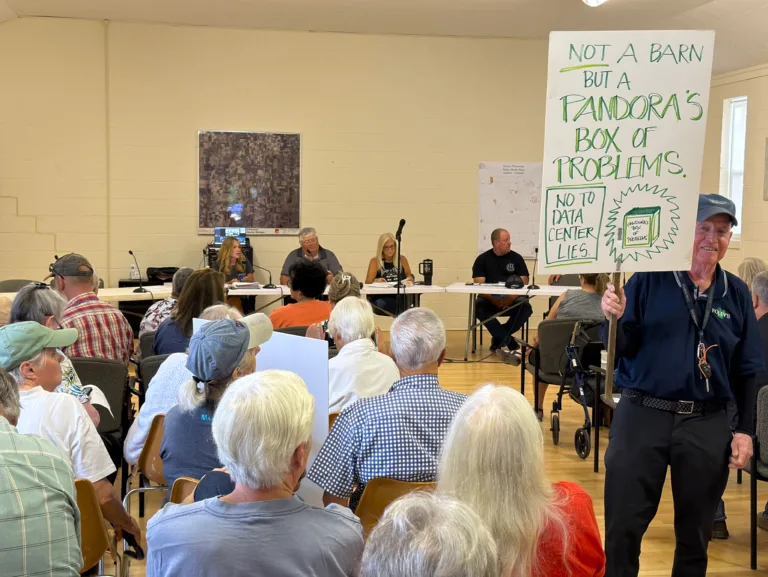
Audience members objected, saying the project could affect water, energy costs, tax revenue and communities beyond the township.
After the meeting, Landry clarified that he was referring specifically to who would bear the financial consequences if the township lost a lawsuit. He said he was not suggesting people outside Saline Township were unaffected or should not speak.
“My point is that there’s a judgment against the township,” he said. “Somebody that doesn’t live in the township won’t be responsible.”
Asked whether he meant financial risk rather than environmental effects, Landry said yes.
During public comment, a speaker asked whether Landry lived in Saline Township. He said he did not.
Washtenaw County Commissioner Yousef Rabhi also challenged Landry’s statement that the taxing jurisdictions notified about the exemption had not objected.
“I’m here as a county commissioner, as one of nine, for one of the taxing jurisdictions that will be impacted by this, to object,” Rabhi said.
Rabhi said county millages supporting veterans, public safety, mental health, older adults and other services could be affected. He urged the township to seek support to challenge the settlement.
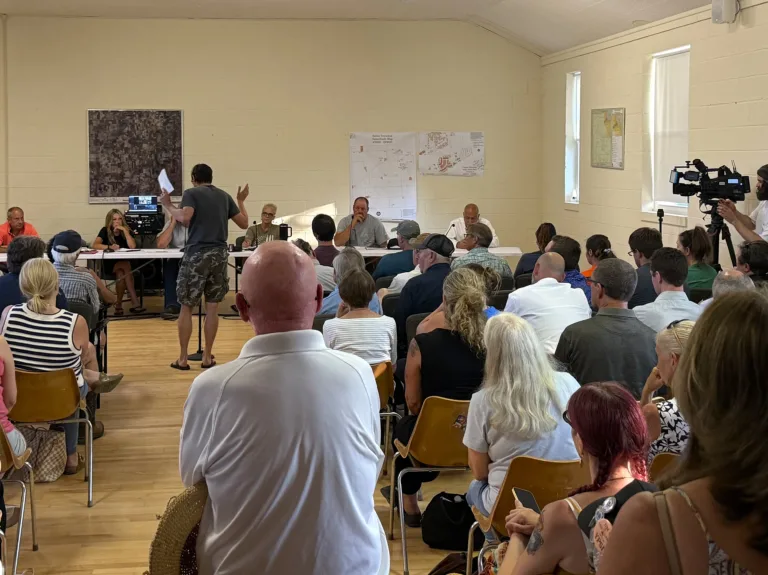
Several speakers called for independent legal representation and questioned whether the consent judgment could be challenged. Others asked how the reported investment would be audited and whether the township was committed to granting the exemption for the full 12 years.
One Saline Township resident said Tuesday’s vote had given residents hope.
“We were hopeful on Tuesday,” the resident said. “We really thought you were standing up.”
A smaller number supported Friday’s decision, arguing township taxpayers would be responsible if the board violated the court order.
“You can hate the consent agreement. You can hate lawyers. You can hate politicians. You can hate the data center,” one resident said. “But I vote here and I pay taxes here, which means if you let us get on the wrong side of the law, I and others as Saline Township residents will be the ones left holding the bag.”
“This is not an easy decision for any of us up here,” Boulter said during board comments.








 114 North Main St Suite 10 Chelsea, MI 48118