


A septic system can sit underground for decades, out of sight and largely out of mind, until something goes wrong.
Senate Bill 771, now moving through the Michigan Legislature, is aimed at changing that. The proposal would create statewide inspection requirements for septic systems in Michigan, the only state without a statewide septic code.
Septic systems are used by homes that are not connected to public sewer systems. They treat and dispose of wastewater from toilets, sinks, showers, washing machines and other household uses. Across Michigan, the bill would create a more consistent system for checking those systems after they are installed.
Supporters say the bill is needed to protect groundwater, rivers and lakes from failing systems. In Washtenaw County, where inspections are already required before a home is sold, the bill raises a more specific local question: what changes when inspections are no longer tied only to real estate transactions?

Why Septic Systems Matter

Michigan has an estimated 1.3 million septic systems, and researchers and environmental groups estimate a significant share are failing or close to failing.
When septic systems fail, untreated or partly treated wastewater can move into soil, groundwater, rivers and lakes. That wastewater can carry bacteria, nutrients and other contaminants.
The Huron River Watershed Council, which supports Senate Bill 771, made that argument in testimony to the Senate Natural Resources and Agriculture Committee.
“Pollution does not respect county lines, and watershed health cannot be effectively managed,” David Lossing, HRWC’s director of government relations, said in testimony posted by the organization.
What Would Change Locally
For Washtenaw County homeowners, the practical difference comes down to timing.
A home sale already triggers an inspection. Staying put does not.
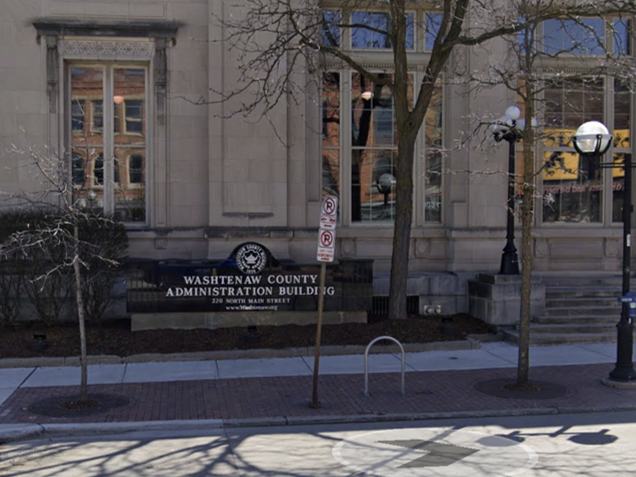
Under Washtenaw County’s Time of Sale program, homes with wells or septic systems must be evaluated before ownership is transferred. Kristen Schweighoefer, environmental health director for the Washtenaw County Health Department, said that program has been in place for more than 26 years.
But if a home stays under the same ownership for decades, there may be no required septic inspection after the system is installed. Senate Bill 771 would add a recurring septic inspection requirement, meaning long-term homeowners with septic systems would also have to have those systems checked.
The Cost Question
For homeowners, inspection fees have not been set in the legislation, but Schweighoefer said they would likely cost a few hundred dollars. The bigger concern is what happens if an inspection finds a serious problem.
Repairs or replacements could cost “thousands to tens of thousands of dollars,” depending on the condition of the system and the work needed, she said.
State Sen. Sam Singh, D-East Lansing, who sponsored the bill, told MSU’s Water Alliance that financial assistance needs to be part of the conversation.
“We’re trying to find the right balance between having a statewide policy but also trying to create some mechanisms that would help homeowners,” Singh said.

A Workload Question
The bill could also create significant new work for the Washtenaw County Health Department’s environmental health division.
The county has about 35,000 residential septic systems. If inspections were spread evenly over 10 years, that would mean about 3,500 systems a year. Schweighoefer said the department currently reviews about 900 to 1,000 similar reports each year through the Time of Sale program.
That could more than triple the number of reports reviewed by county staff, even if third-party inspectors perform the inspections. Staff also would be needed for public education, tracking, report review and enforcement.

Public Health Goals, Practical Concerns
Schweighoefer said there are strong public and environmental health reasons to inspect septic systems. Her concern is how the program would be carried out.
“Overall there are some very good points to these bills that would improve public and environmental health,” Schweighoefer wrote. “However, the lack of funding to support local health departments to implement these new regulations is very concerning.”
For supporters, the bill is a long-delayed attempt to bring consistency to a system that has largely depended on where a homeowner lives. For Washtenaw County, the question may be less about whether septic systems should be inspected and more about how to build a system that homeowners and local health departments can actually manage.
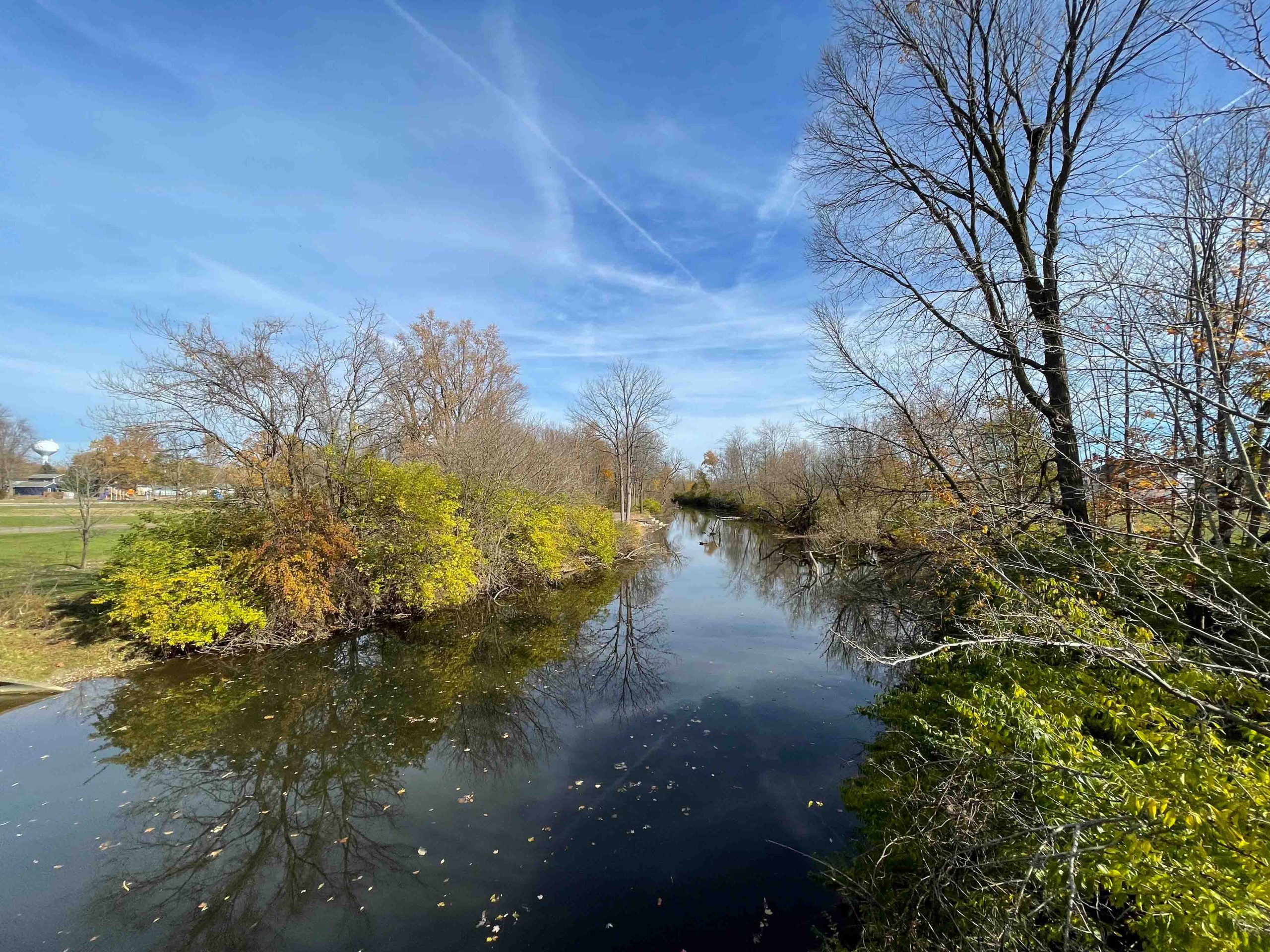
Featured image: A proposed statewide septic code would create recurring inspection requirements for septic systems. Supporters say the bill could help protect waterways such as the Saline River.












 114 North Main St Suite 10 Chelsea, MI 48118