



“You can’t hack 1,600 different computer systems, you can’t go try to steal from 1,600 different communities’ drop boxes…”
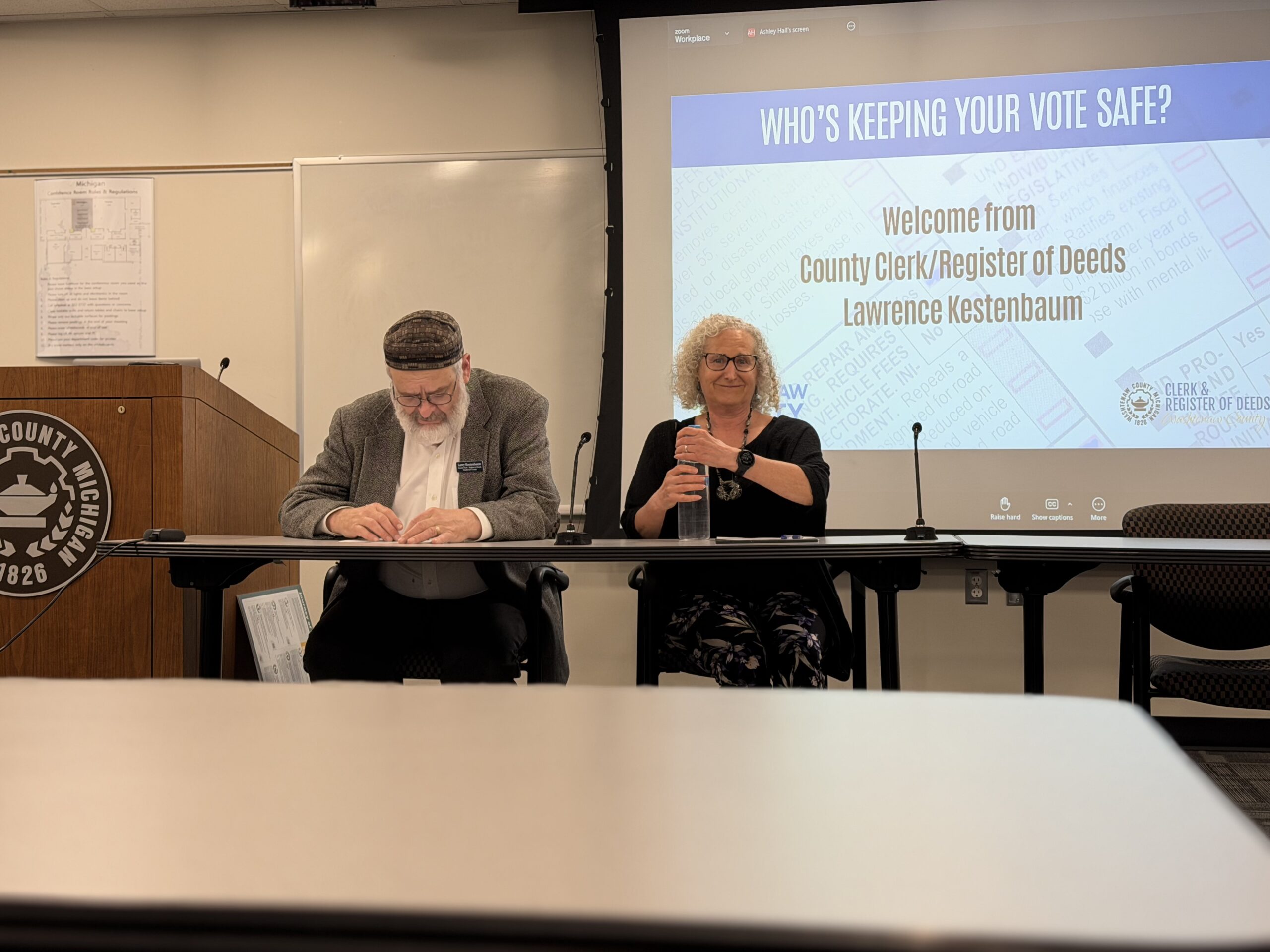
On Monday June 29th, Washtenaw County Director of Elections Rena Basch, along with the clerks from Scio Township, Ann Arbor Township, and the city of Chelsea, held another voter information session in an ongoing effort to assure area voters that elections in Washtenaw County and statewide are safe and secure for the upcoming elections.
With the results of Michigan’s primary and general elections sure to have a major impact on the national races, it’s easy to understand why election integrity matters so much to so many.
And, despite having neither the budget nor the staff for a formal voter outreach plan, Basch and other elections officials are committed to educating voters about Michigan’s robust election security.
Michigan Elections

A veteran Washtenaw County election official, Basch kicked off by explaining the state of Michigan uses a “de-centralized” model for elections, which just means there are a lot of people involved in the state’s voting process.
While most states hold elections at the county level or higher, Michigan actually requires each city, township, and village to hold its own elections. All counted, that means there are more than 1600 people involved in administering Michigan votes–making it much more difficult to commit election fraud here than in a more centralized process.
Said Basch, “You can’t hack 1600 different computer systems, you can’t go try to steal from 1600 different communities’ drop boxes, so it provides a layer of protection for the voters to have this highly decentralized system.”

People, Tools, Technology
Michigan doesn’t rely solely on decentralization though. Basch says secure elections come from a careful combination of people, tools, and technology baked into every step of the voting process. Walking the audience through each step from voter verification and registration through post-election audits and certification, Basch pointed out which specific people, tools, and technology were involved in each step.
A more in-depth explanation of the entire process can be found in a 2024 study commissioned by the state of Michigan’s Bureau of Elections.










 114 North Main St Suite 10 Chelsea, MI 48118