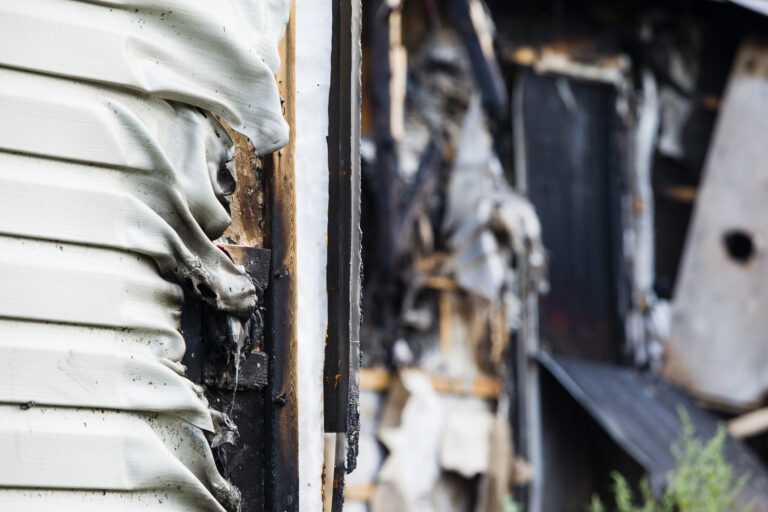
After the fire trucks leave, recovery begins. Here’s a clear, compassionate, step-by-step path — from safety and insurance to securing your home and getting it restored.
A house fire is one of the hardest things a family can go through, and the hours and days afterward can feel overwhelming. Having the steps in one place — before you need them, or right now if you’re in it — makes the path forward clearer and less frightening.
If anyone is hurt or you’re still in danger, call 911 first. Everything below comes after the immediate emergency is over and the fire department is on scene or has cleared the property.
| Need help stabilizing your home now? For 24/7 fire-damage cleanup and emergency board-up from a licensed local pro, call: Call (734) 256-7157 (available 24/7) |
1. Make sure everyone is safe and accounted for
Your people come before the property, always. Account for every family member and pet, move well away from the structure, and get medical attention for anyone with burns or possible smoke inhalation — symptoms of smoke inhalation can appear hours later, so don’t wait if someone is coughing, dizzy, or short of breath.
2. Don’t re-enter until the fire department clears it
A fire-damaged home can hide structural weakness, electrical hazards, and hot spots that can reignite. It’s natural to want to rush in for valuables, but wait until the fire department tells you it’s safe to enter, even briefly. The structure, the air, and the water-soaked materials inside can all be dangerous.
3. Call your insurance company and a restoration company
Once the home is cleared, your first two calls should be to your insurance company, to open a claim, and to a licensed restoration company, to begin emergency stabilization and documentation. Acting quickly on both fronts sets the tone for the entire recovery and gets help moving. Ask your insurer right away about emergency advance funds and temporary-housing coverage.
4. Document everything
Take photos and video of every room — even areas that look untouched, because smoke and soot travel far beyond the burn. Capture damaged belongings and start a written list of what was lost, with approximate values and any receipts or serial numbers you can find. Thorough documentation is the backbone of a fair insurance settlement.
5. Secure your home
Until repairs begin, the property has to be protected from weather, animals and intruders. Professional board-up and tarp services cover broken windows, doors and roof openings — and most insurers expect this kind of mitigation to prevent further damage. Leaving the home open can complicate your claim.
6. Why the first 24 to 48 hours matter
Time is not on your side after a fire. Soot is acidic and begins to etch and permanently stain surfaces, corrode metal, and damage electronics within a day or two, and the water used to fight the fire can start growing mold. Beginning professional cleanup within the first 24 to 48 hours significantly reduces permanent damage and the total cost of restoration.
7. Find temporary housing
If your home is unlivable, your policy’s Additional Living Expenses (ALE) coverage typically helps pay for a hotel or rental and meals while you’re displaced. Keep every receipt, because reimbursement is based on documented costs above your normal living expenses. Ask your insurer how to access ALE and whether an advance is available.
8. Protect what’s left — and don’t undo your claim
Two common, well-meaning mistakes can cost you. First, resist the urge to scrub soot off walls and belongings yourself — soot is acidic and the wrong cleaning method drives stains and odor in permanently (see why you shouldn’t clean smoke and soot yourself). Second, don’t throw damaged items away before they’re documented; discarding them too soon can reduce your claim. Keep damaged property until your adjuster has reviewed it.
| Don’t face the cleanup alone. A licensed local fire-damage crew can handle the whole process. Call (734) 256-7157 (available 24/7) |
Replace critical documents
Fires often destroy important paperwork. As things settle, start replacing what was lost:
- Driver’s licenses and state IDs (Michigan Secretary of State)
- Social Security cards, passports, and birth certificates
- Insurance policies, property deeds, and vehicle titles
- Medical records and prescriptions
- Bank cards and financial records
Your first-24-hours checklist
If you only remember a few things, remember these:
- Everyone is safe; get medical care for any burns or smoke inhalation
- Stay out of the home until the fire department clears it
- Open an insurance claim; ask about emergency funds and temporary-housing (ALE) coverage
- Photograph and inventory the damage before moving anything
- Arrange professional board-up and tarping to secure the home
- Call a licensed restoration company to begin cleanup within 24 to 48 hours
Working with your insurance adjuster
Your insurer will send an adjuster to inspect the damage and estimate the loss — but you don’t have to accept that number on faith. Keep your own documentation, get an independent estimate from a licensed restoration company, and don’t sign off on a settlement until you understand the full scope of fire, smoke and water damage (smoke and water harm often extend well beyond the visible burn). Keep a log of every call, the names you speak with, and your claim number.
What fire restoration includes
Professional fire restoration is a staged process: an emergency assessment and board-up to secure the home, water removal and drying if the fire was fought with water, soot and smoke cleanup using specialized methods, odor removal that treats the source rather than masking it, and finally repairs and rebuilding. A single company managing all of it — and coordinating with your insurer — spares you from stitching together separate contractors during an already hard time.
Give yourself room to recover
A fire isn’t only property loss; it’s disorienting and exhausting, and it’s completely normal to feel overwhelmed for a while. Lean on family, neighbors and community resources, take the recovery one step at a time, and don’t hesitate to ask for help with the logistics. The practical steps above are far easier to manage when you’re not trying to carry all of it at once.
Where to turn for help — and call a restoration pro
For urgent needs right after a fire — shelter, food, clothing — the American Red Cross assists local families, and your local fire department can provide the incident report your insurer will request. For the home itself, a licensed restoration company manages the whole process: emergency stabilization, water removal, soot and smoke cleanup, odor removal, and rebuilding, coordinating directly with your insurer so you don’t have to carry it all alone. The Sun Times News keeps a 24/7 line to vetted local fire-damage pros serving Chelsea, Dexter, Saline and Milan.
Frequently asked questions
What should I do first after a house fire?
Make sure everyone, including pets, is safe and get medical care for any injuries or smoke inhalation. Don’t re-enter until the fire department clears the home, then call your insurer and a licensed restoration company.
Will insurance pay for a hotel after a fire?
Usually yes — most policies include Additional Living Expenses (ALE) coverage for temporary housing and meals when your home is unlivable. Save all receipts and ask your insurer how to access it, including any advance.
Can I go back inside my home after a fire?
Not until the fire department says it’s safe. Hidden structural, electrical and air-quality hazards can remain even after the flames are out.
How soon should fire cleanup start?
Ideally within 24 to 48 hours. Soot is acidic and causes worsening, permanent damage the longer it sits, and fire-fighting water can lead to mold.
Should I clean the smoke and soot myself?
It’s best not to. Soot is acidic and household cleaning often smears it and sets odor permanently. Professional crews use specialized methods to clean surfaces and remove odor at the source.
Who do I call for fire damage recovery near Chelsea, Dexter or Saline?
For 24/7 fire-damage restoration from a licensed local pro, call (734) 256-7157.
| You don’t have to navigate this alone. Reach a licensed, insured local fire-damage pro: Call (734) 256-7157 (available 24/7) |
Last updated June 2026. This guide is general information for Washtenaw County homeowners and isn’t a substitute for professional, safety, or insurance advice. In an emergency, call 911.





 114 North Main St Suite 10 Chelsea, MI 48118