When temperatures drop below zero, unprotected pipes can freeze and burst — at an average repair cost of $10,000 or more. Use this checklist to keep the water flowing all winter.
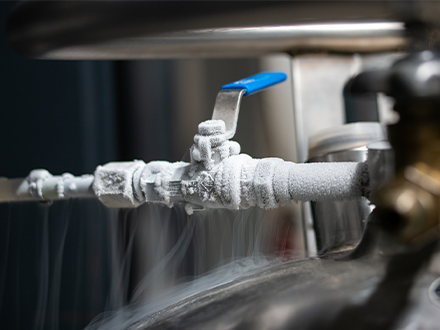
Michigan winters routinely send temperatures well below freezing, and every cold snap puts home plumbing at risk. A frozen pipe doesn’t just stop your water — when the ice inside expands, it builds pressure until the pipe ruptures, often in an unheated wall or basement where you won’t notice until it thaws and floods the house.
The math strongly favors prevention. A few dollars of pipe insulation and a slightly higher heating bill are nothing against an average frozen-pipe insurance claim of $10,000 to $15,000. Here’s a complete checklist to keep your pipes from freezing this winter — and what to do if one freezes anyway.
| Already dealing with a frozen or burst pipe? Reach a licensed, insured local plumber 24/7: Call (734) 579-2555 (available 24/7) |
Why pipes freeze and burst in Michigan
Pipes are generally at risk once outdoor temperatures fall to around 20°F, and the danger climbs the longer the cold lasts. Water expands as it freezes, and a fully blocked pipe traps that expanding ice against a closed faucet, building pressure until the weakest point fails. Counterintuitively, the burst often isn’t at the frozen spot itself but downstream, between the ice and the faucet.
1. Know which pipes are most at risk
The pipes most likely to freeze run through unheated or exterior spaces. Walk your home and note the vulnerable spots so you can protect them before the cold arrives:
- Pipes along exterior walls, especially on the north side of the house
- Pipes in unheated basements, crawlspaces, attics, and garages
- Supply lines under sinks on outside walls
- Outdoor spigots and any line feeding them
- Lines in second homes or lake cottages that may sit unattended
2. Insulate exposed pipes
Slip foam pipe-insulation sleeves over any accessible pipes in cold areas — they cost only a few dollars per length at any hardware store and make a real difference. For pipes that have frozen before or run through especially cold spots, UL-listed heat tape installed according to the manufacturer’s instructions adds another layer of protection.
3. Let faucets drip on the coldest nights
A slow, steady trickle keeps water moving, which helps prevent the ice blockages that cause bursts, and it relieves pressure if ice does start to form. On nights in the teens or below, open the faucets served by your most vulnerable pipes — especially those on exterior walls — to a thin stream. If a fixture is fed by both hot and cold lines, drip both.
4. Keep the heat on — even when you’re away
Set your thermostat no lower than 55°F, day and night, and resist the urge to turn it way down to save money when you travel. Open the cabinet doors under sinks (especially on exterior walls) so household heat can reach the pipes behind them. If you have a programmable or smart thermostat, make sure overnight setbacks don’t drop the house too low during a cold snap.
5. Disconnect and drain outdoor hoses and spigots
Before the first hard freeze, disconnect garden hoses, drain the outdoor spigots, and shut off and drain any interior valve that feeds them. Water left in an outdoor line is one of the most common causes of a burst just inside the wall, because that line is the most exposed to the cold.
6. Seal drafts and keep cold air out
Cold air pouring through a foundation crack, a rim-joist gap, or an open garage door can freeze a nearby pipe surprisingly fast. Seal obvious drafts near plumbing with caulk or spray foam, and keep the garage door closed if water lines run through it.
| Not a DIY job? A licensed, insured local plumber can take it from here. Call (734) 579-2555 (available 24/7) |
A quick room-by-room winter walkthrough
Five minutes of prep before a cold snap goes a long way:
- Kitchen & baths: open cabinet doors under sinks on exterior walls so heat reaches the pipes
- Basement & crawlspace: insulate exposed pipes and seal drafts at the rim joist
- Garage: keep the door closed and insulate any water lines running through it
- Attic: insulate any plumbing and check that it isn’t exposed to attic cold
- Outdoors: disconnect hoses and drain spigots before the first hard freeze
The cost of prevention vs. the cost of a burst
The economics aren’t close. Pipe insulation costs a few dollars per length, and keeping the thermostat at 55°F costs a little on the heating bill. The average frozen-pipe insurance claim, by contrast, runs $10,000 to $15,000 — and that figure doesn’t capture your deductible, the weeks of disruption, or the irreplaceable belongings a flood can ruin. Few home-maintenance habits pay off as reliably as frozen-pipe prevention.
What to do if a pipe is already frozen
If you turn on a faucet during a cold spell and only a trickle (or nothing) comes out, a pipe is likely frozen. Act quickly — a frozen pipe is a burst waiting to happen.
| Safety: Open the faucet, then warm the pipe starting at the faucet end and working back toward the cold spot, using a hair dryer, a space heater kept at a safe distance, or towels soaked in hot water. Never use an open flame or a blowtorch. If a pipe has already burst, shut off your main water valve and call a plumber immediately. |
Smart devices that warn you early
A little technology adds a safety net. A smart thermostat lets you monitor and adjust the temperature from your phone if you’re away during a cold snap. Inexpensive water-leak and freeze sensors placed near vulnerable pipes alert you the moment they detect water or near-freezing temperatures, and an automatic shut-off valve can stop the water entirely if a leak begins while you’re out. For a second home or a frequent traveler, these pay for themselves the first time they head off a flood.
Leaving town for the winter?
An empty house is where frozen pipes do the most damage, because a leak can run for days before anyone notices. If your home — or a lake cottage — will sit empty in the cold, either keep the heat at 55°F or above and have someone check on it regularly, or shut off the main water supply and drain the system entirely. Many local plumbers offer a winterization service for exactly this.
Frequently asked questions
At what temperature do pipes freeze?
Pipes are generally at risk once outdoor temperatures drop to around 20°F, and the risk rises during sustained cold or for pipes in uninsulated, exterior spaces. A single very cold night is less dangerous than several in a row.
Should I drip the hot or cold water?
Dripping the cold tap is usually enough, but if a fixture is fed by both hot and cold lines along an exterior wall, let both drip slightly to keep water moving in each.
How low can I set my thermostat in winter?
Keep it at 55°F or above, even when you’re away. Setting it lower to save energy risks a far more expensive frozen-pipe repair.
How long does it take for pipes to freeze?
In sustained sub-20°F cold, an exposed, uninsulated pipe can freeze in just a few hours. Insulation, dripping faucets and keeping the heat on all extend that time considerably.
Does insurance cover frozen pipe damage?
Often yes, if you’ve taken reasonable steps to keep the home heated — frozen-pipe bursts are typically considered sudden and accidental. Damage tied to a home left unheated may be denied, so keep the heat on and document your prevention efforts.
Who do I call if my pipes freeze or burst?
For 24/7 emergency plumbing from a licensed local pro, call (734) 579-2555.
| Don’t let a small leak become a big repair. Reach a licensed, insured local plumber: Call (734) 579-2555 (available 24/7) |
Last updated June 2026. This guide is general information for Washtenaw County homeowners and isn’t a substitute for professional, safety, or insurance advice. In an emergency, call 911.



 114 North Main St Suite 10 Chelsea, MI 48118