





Worried about election security? Michigan ballots are in good hands. A lot of them.
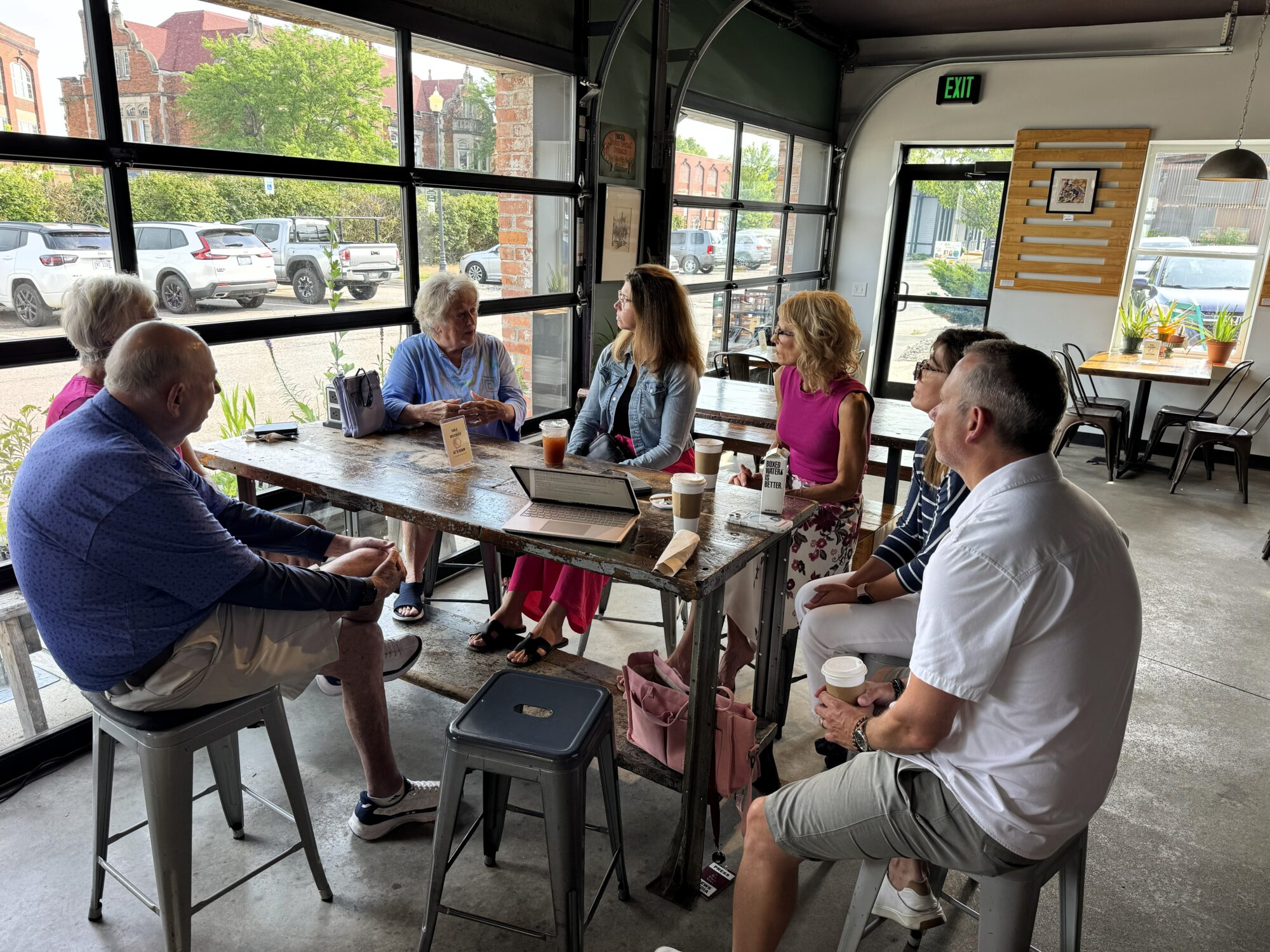
In preparation for a very busy election year in Michigan, local and state election officials gathered in Dexter this week to discuss Michigan’s voting processes, covering everything from voter registration to election security.
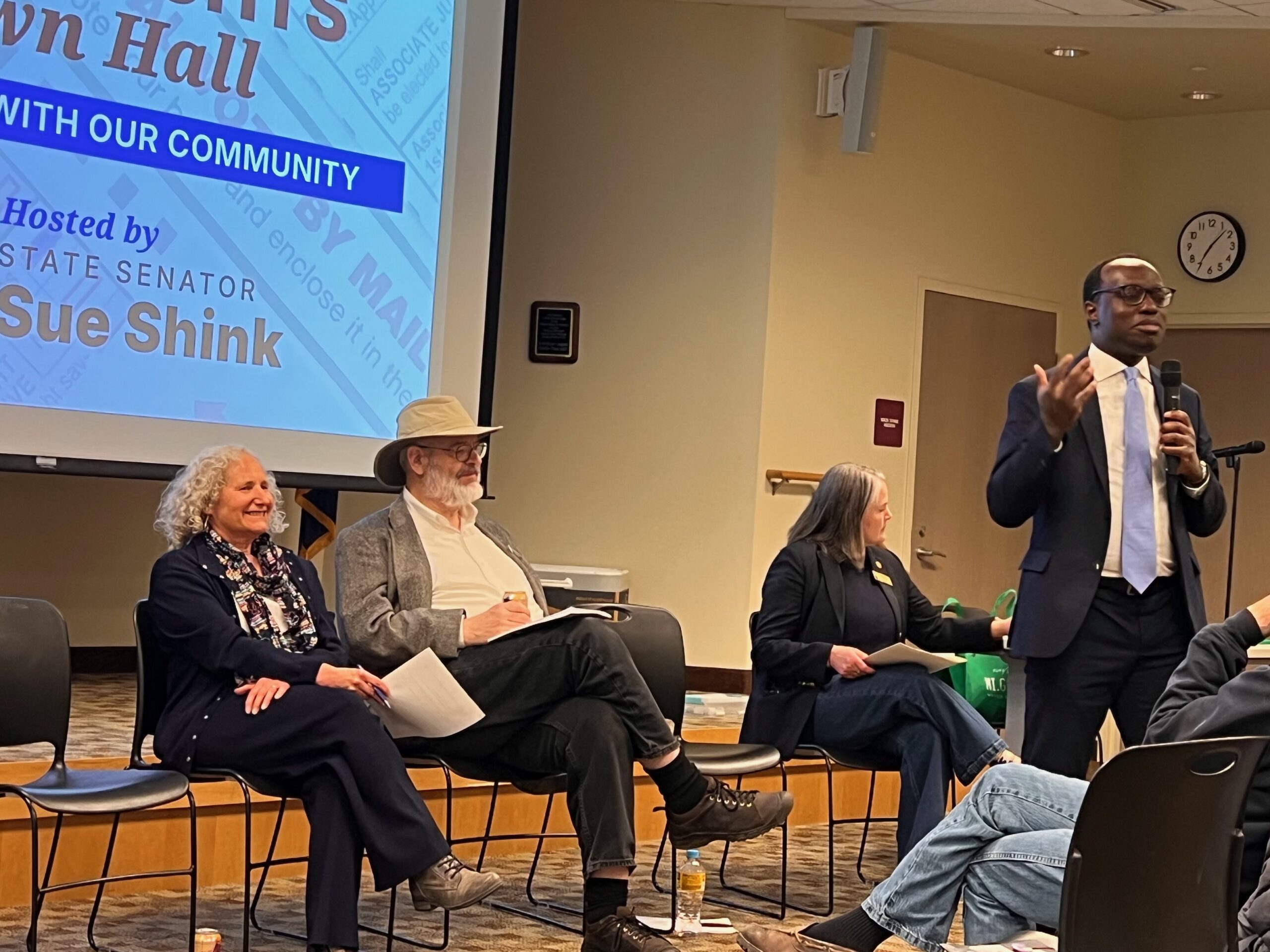
At a Voting Rights Community Townhall organized by State Senator Sue Shink at the Dexter District Library on Thursday May 14th, Deputy Secretary of State Aghogho Edevbie, Washtenaw County Clerk and Register of Deeds Lawrence Kestenbaum, and Washtenaw County Director of Elections Rena Basch all spoke, in an effort to educate voters about the strength and integrity of Michigan’s election infrastructure, and answer questions from those in attendance.
Addressing an audience of about 35-45 people, Shink began by referring to voting as, “an essential part of being an American,” clarifying that no questions were off limits, and assuring the discussion would remain fact-based, nonpartisan, and transparent.
While the hour-long event touched on many individual parts of Michigan’s voting processes, Washtenaw County Clerk Larry Kestenbaum made a point early in the conversation that was continually reinforced by the other panelists throughout the night and ultimately became the main takeaway.

Decentralized By Design
Kestenbaum explained that the real driving force behind the strength and integrity of all Michigan elections is its purposely decentralized design. In contrast to the many states that administer elections at a county or state level, Michigan’s elections are organized and administered at the local level.
That means that each city, township, and village, many with multiple precincts, is responsible for running their own elections, safeguarding and processing their own ballots, then reporting their certified results up to their county election official.
With Michigan having around 1600 distinct municipalities, that means there are about 1600 individual clerks running their local elections, hiring and paying local administrative staff and poll workers, and working with their local canvass boards to audit and certify results.
Bipartisan By Design
Another important tenet of Michigan election law that enhances statewide election security on a fundamental level is an acknowledgement that, across the board, it’s likely impossible for anyone to be completely impartial.
To account for that, the law stipulates that all tasks and actions within the entire statewide elections process that could have any material impact on the results of an election, must be conducted in a bipartisan manner.
Whether it’s tabulating ballots or verifying voter qualifications, by law, each of these hundreds of ‘sensitive’ election tasks that take place throughout the year, every year, must be completed by a bipartisan team of at least two people, equally representing the major political parties.
As intended, the sheer number of people involved in administering local elections statewide significantly dilutes the power of any one election official in Michigan, and that is a very good thing.
Security In Four Points
At her turn, Elections Director Rena Basch took the mic and, with the authoritative, yet casual confidence of an elections chief with a couple of decades of experience, stated firmly, “I can tell you what makes Michigan elections secure, there’s four things.”

“Number one, there’s people. There’s a lot of people involved. Larry [Kestenbaum] just mentioned the army of poll workers that we have. Number two, there’s technology and tools. There are a lot of different technologies and tools. They are cross-checked.”
“Number three, there are cross checks built into the system. The people check the people, the technology checks the technology, the people check the technology, and vice versa. Both major political parties have a role to play in the precincts. That’s another example of checks and balances.”
She continued, “The fourth thing that makes Michigan elections secure is paper. We have a paper chair trail. We have a chain of custody. We vote on paper ballots. It’s very hard to hack paper. The official record is paper.”
More information about voting in Michigan can be found at the Michigan Voter Information Center on the Secretary of State’s website.










 114 North Main St Suite 10 Chelsea, MI 48118