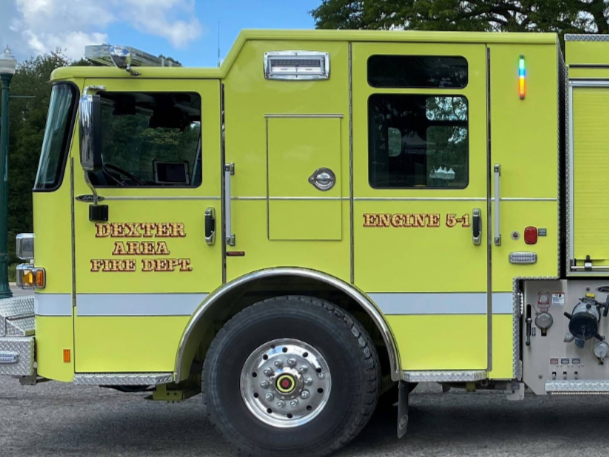




At its June 22 meeting, the Dexter City Council considered an amendment to the city’s False Alarm Ordinance that will allow the city to recover the cost of responding to false fire alarms, closing a gap that had existed in the ordinance for nearly two decades.
Until now, Dexter could charge property owners for false alarms that required a police response, but not for false alarms that brought out the Dexter Area Fire Department. City officials said repeated false fire alarms have become increasingly costly because each response is billed to the city by the fire department.
What the Ordinance Changes
The amended ordinance applies to property owners and tenants with alarm systems. If an alarm system repeatedly triggers false alarms, the city may charge a fee each time police or firefighters respond unnecessarily.
For most residents and businesses, the change will have little day-to-day impact. However, those with malfunctioning alarm systems or alarms that are repeatedly triggered unnecessarily could now face charges if fire crews are dispatched.
How the $3,003 Fee Was Calculated
Also part of the amendement was a new False Alarm Response Fee of $3,003 per fire department response. City staff calculated the fee by dividing the Dexter Area Fire Department’s 2026 operating cost of $1,642,903 by the department’s 547 emergency runs in 2025, resulting in an average cost of $3,003 per run.
Appeals and Collecting Unpaid Fees
The ordinance also changes how unpaid false alarm fees may be collected. If a bill goes unpaid, the city could recover the cost through a single-lot special assessment, a legal process that allows the charge to be assessed against the property and collected in the same manner as property taxes or services rendered by the city for a resident. The city found this process used in other communities such as Ann Arbor and East Grand Rapids.
Property owners who believe a false alarm fee was assessed in error may appeal to the City Council within 10 days of receiving notice. The ordinance also exempts alarms triggered while authorized technicians are servicing a system, provided the appropriate department is notified in advance, and alarms caused by damage to public utility lines when verified by the utility.
Decision Postponed
In the end, the council voted to postpone a decision on the false alarm amendment due to questions raised during discussion. The council will consider the amendment again at its August 10 meeting, giving city staff time to find out 1) why Ann Arbor stopped its alarm registration program, 2) if single lot assessments are an effective method of payment, 3) the communication process from the fire department determining a false alarm, and 5) the number of false alarms in the City of Dexter.
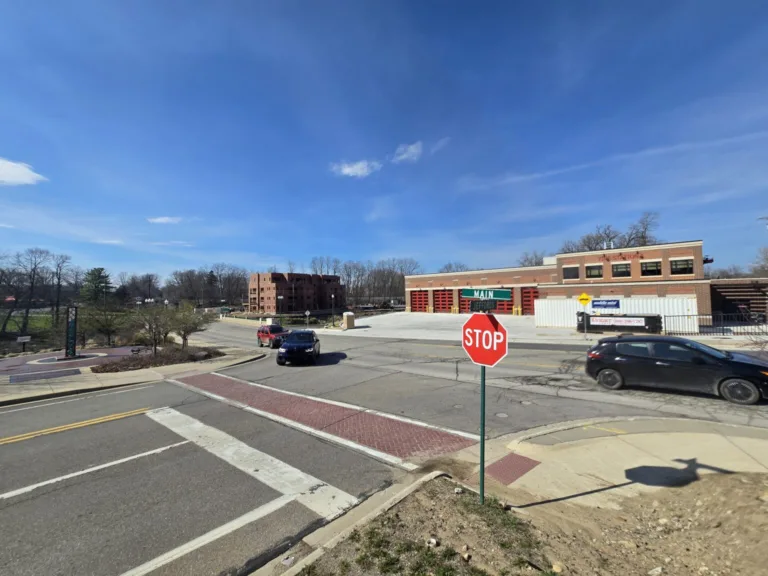
Featured photo: The Dexter City Council is considering changes to the city’s false alarm ordinance that allow the city to recover the cost of unnecessary fire department responses. Sun Times News file photo.








 114 North Main St Suite 10 Chelsea, MI 48118