




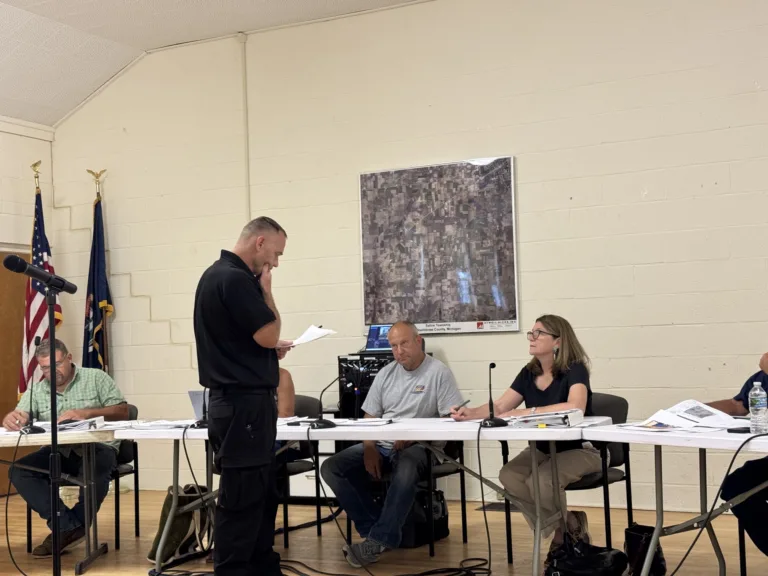
When a complicated development proposal arrives in a small township, local officials may have limited resources and only a short time to understand what is at stake.
Chelsea Mayor Kate Henson wants local communities to make sure their neighbors do not face those decisions alone.
“Anything that people are struggling with or don’t understand, then we probably all don’t understand it,” Henson said. “So if we come together and have these meetings to learn more, we can figure out how best to really bring things to fruition.”
The effort grew from the response to a proposed Consumers Energy power plant in Lima Township.
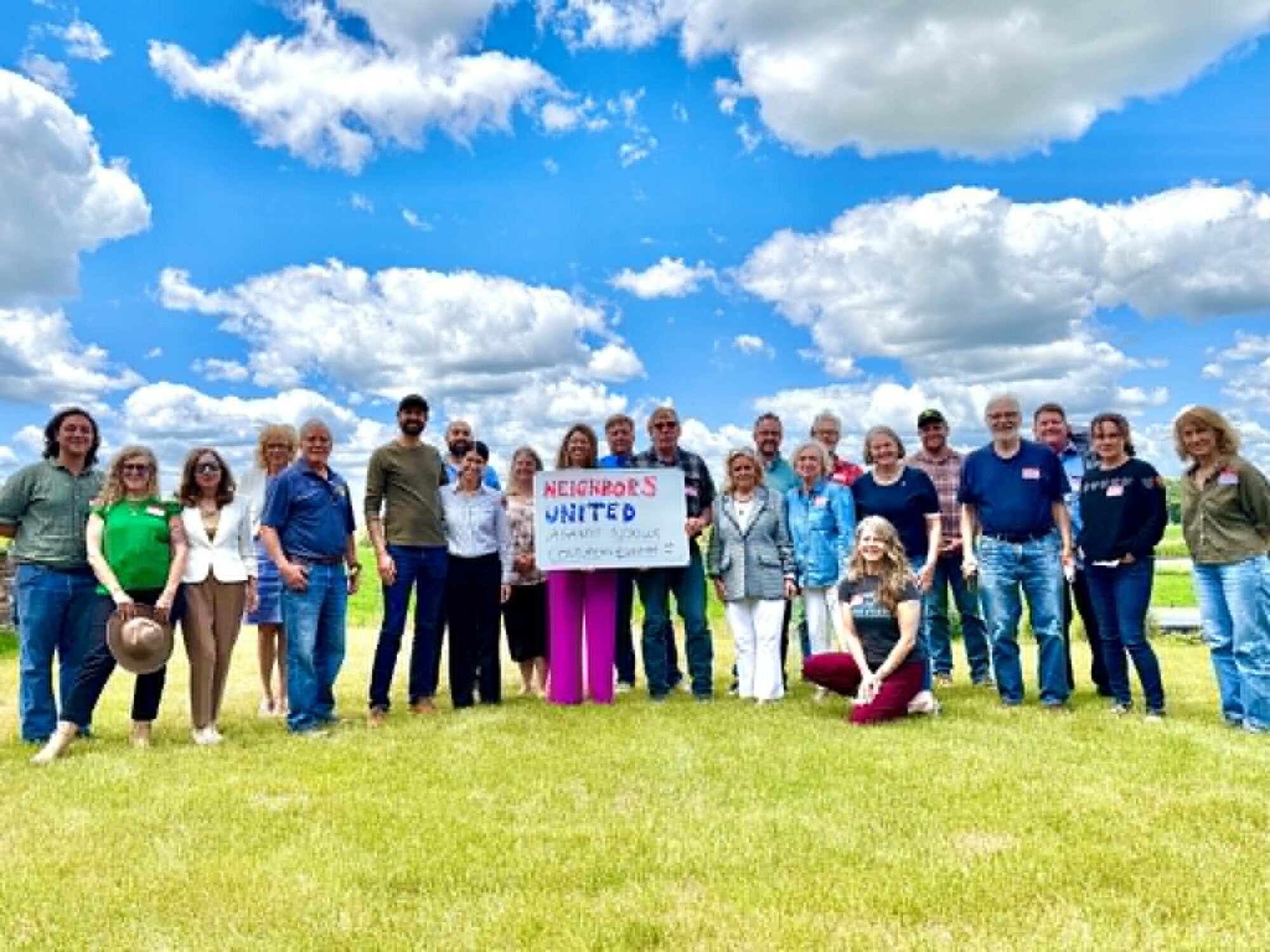
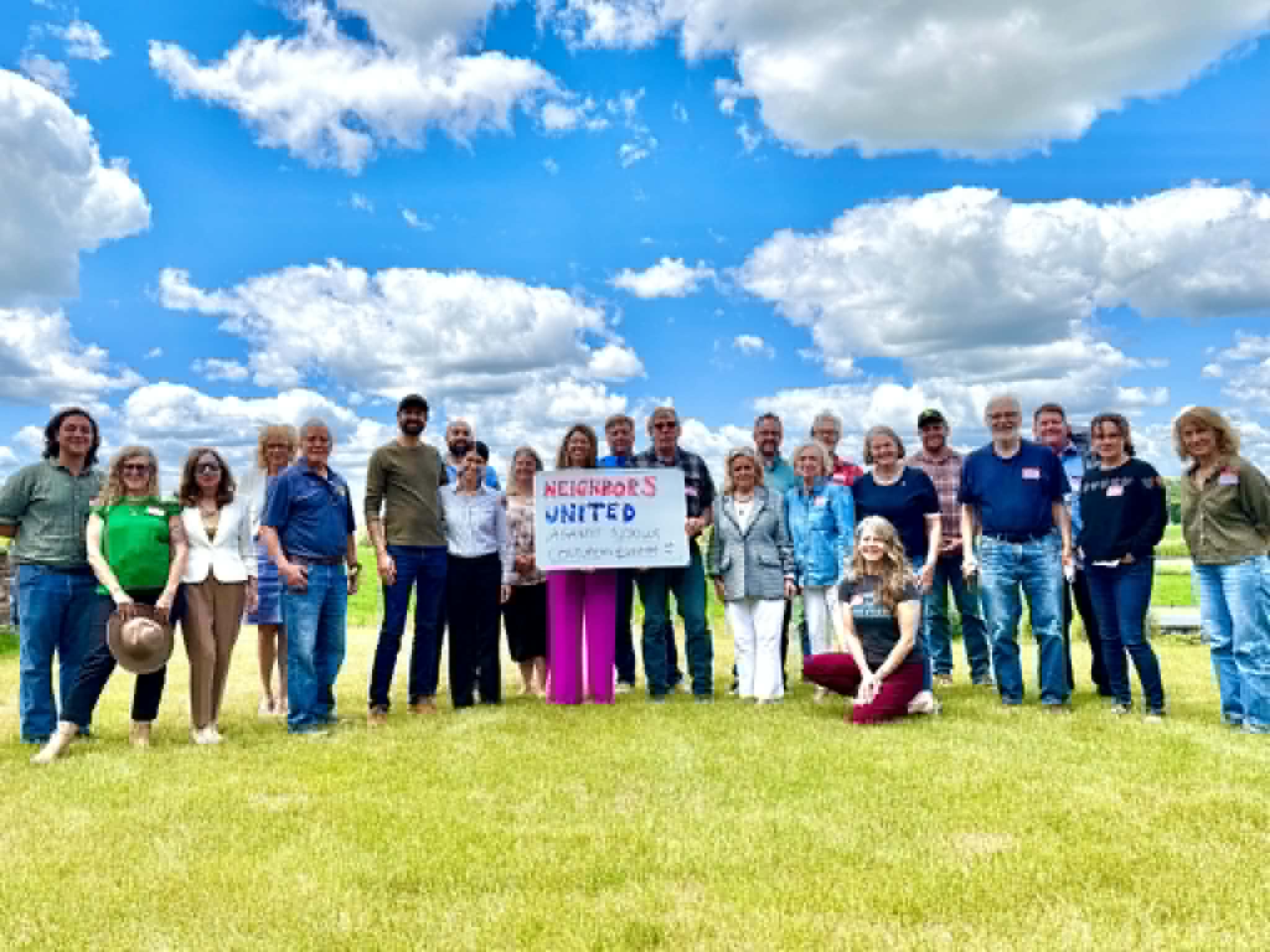
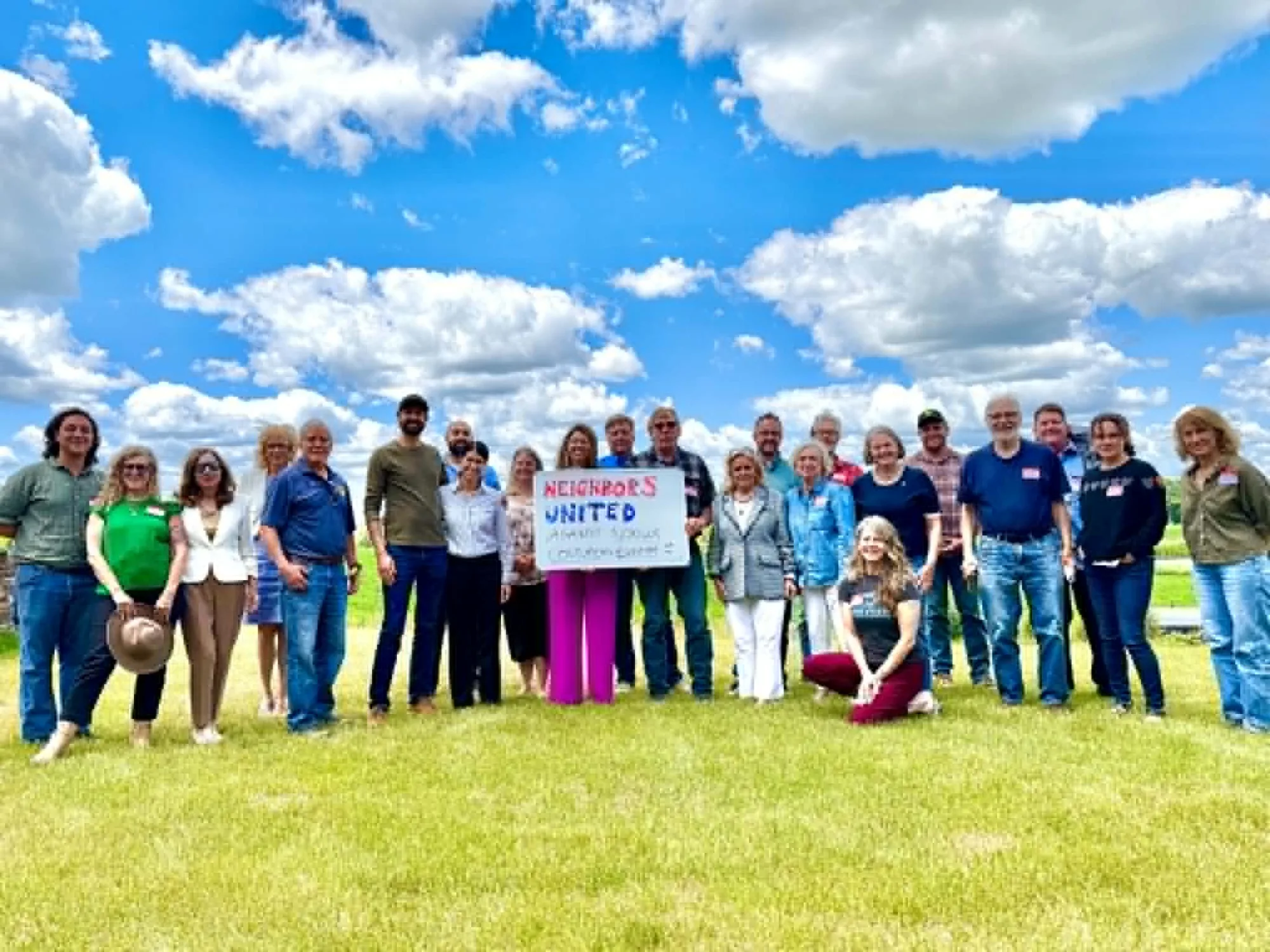
Jeff Parness, founder of the grassroots group NUANCE Michigan, said the organization convened an initial strategy meeting June 19 at his home.

According to Henson and Parness, the gathering included U.S. Rep. Debbie Dingell, state Sen. Sue Shink, county officials, city and township leaders, and representatives from the Sierra Club and Great Lakes Environmental Law Center.
“We understood that the lesson and the assignment is bigger than just Lima Township,” Henson said. “It’s all of us.”
Parness said he asked who would take the baton and lead the government side of the effort, and Henson agreed to take it on.
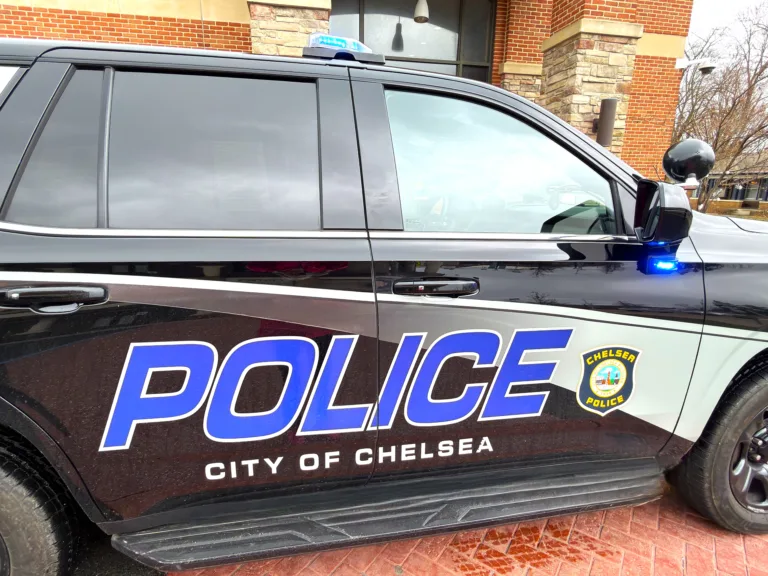
After that gathering, a separate government working group formed under Henson’s leadership, with support from Chelsea City Manager Elle Cole.
Consumers Energy announced July 1 that it would release its option on the Lima Township property and withdraw its request to study connecting the proposed plant to the electric grid. The company also apologized for communication it said fell short of addressing community concerns.
The project brought officials, residents and outside experts together around an urgent challenge. Henson now wants to preserve those connections so the next township confronting an unfamiliar project does not have to begin alone.
“The people of Lima banding together and standing up for themselves, it was a beautiful thing to see,” she said. “I really do feel like it’s a privilege to be able to support them moving forward.”
Sharing Knowledge and Resources
Parness said the Lima Township response showed the value of connecting local officials with specialists familiar with large industrial projects.
He said a township may rely on an attorney who handles many kinds of municipal work but may not have ready access to environmental attorneys, planners or other experts with experience in similar cases. A broader network can help officials find that expertise, compare approaches and understand their options before deadlines or legal commitments limit what they can do.
Parness also stressed the importance of giving officials time to ask questions and review their rules. The purpose is to help officials make informed decisions and ensure community questions are answered.
Henson said each municipality would retain control over its own planning and zoning decisions. The broader effort would help officials find the information and assistance they need.
“I want the city of Chelsea to find a way to support them as best we can,” Henson said
Building on Existing Cooperation
The emergency committee also fits into Henson’s effort to strengthen the Western Washtenaw Regional Advisory Group.
The new working group also fits into Henson’s effort to strengthen the existing Western Washtenaw Regional Advisory Group, which brings together elected officials and municipal staff. Its work has focused mainly on housing and transportation.
Henson said she had already been looking for ways to broaden that work before the power plant issue added urgency.
“We’re more than just transportation and housing,” she said.
Officials from the cities of Chelsea and Dexter and the townships of Dexter, Lima, Sylvan, Freedom and Lyndon have participated in recent discussions, Henson said. Organizers are also trying to involve other Washtenaw communities.
Henson expects a larger meeting each month, with smaller working sessions scheduled as needed. Participants could include elected officials, planning and zoning representatives, municipal attorneys and outside experts.
Cooperation could also improve opportunities to pursue funding for projects that benefit multiple communities, she said.
“We need something that’s bigger and more robust and covers a lot more topics,” Henson said.
Those topics could include planning and zoning, emergency response, funding and other challenges that cross city and township boundaries. Henson also hopes the group can develop a blueprint for communities elsewhere facing similarly complex decisions.
For Chelsea, she said, helping surrounding townships is part of serving the city itself.
“Just because it wasn’t going in our city didn’t mean it wasn’t going to impact us,” Henson said. “And if there is a way that we can help, it is our duty.”
“When our neighbors thrive,” she added, “we thrive.”











 114 North Main St Suite 10 Chelsea, MI 48118