


As Washtenaw County communities manage growth and heavier rain, the Huron River Watershed Council is warning that a group of wetland bills moving through Lansing could make those challenges harder to handle.
HRWC says the proposals could weaken protections for wetlands that slow runoff, reduce flooding, filter pollution and protect local waterways.
In written testimony to the House Natural Resources and Tourism Committee, HRWC opposed House Bills 5082, 5501, 5502, 5536 and 5556. The bills are at different points in the legislative process. HB 5501 and HB 5536 have passed the House and were referred to the Senate Natural Resources and Agriculture Committee. HB 5082 and HB 5502 were placed on third reading in the House on June 23.
For local readers, HRWC says the issue is not just about wetlands elsewhere in Michigan. Wetlands help shape what happens when heavy rain falls here, especially in developed areas where pavement, rooftops and other hard surfaces send more water into storm drains, creeks and rivers.

David Lossing, HRWC’s director of government relations, wrote that wetlands work like a sponge, temporarily storing floodwater and releasing it slowly. That can help reduce flood peaks and protect downstream properties.

Wetlands also protect water quality. HRWC described them as “nature’s kidneys” because they can remove nutrients, sediment and other pollutants from surface water and groundwater before they reach rivers and streams.
The council raised several concerns about the bills, including proposals it says would narrow Michigan’s wetland definition, remove protections from some human-made wetlands and add pressure to state environmental reviews. HRWC said Michigan has already lost more than half of its wetlands.
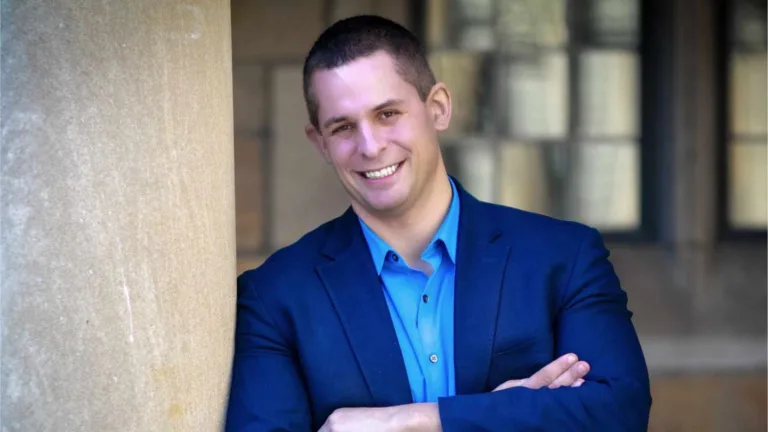
Supporters of the legislation say the changes are meant to make wetland rules clearer and more consistent for property owners. State Rep. David Martin, who introduced HB 5536, said the bill would align Michigan’s wetland definition more closely with federal law and give landowners clearer criteria before they invest time and money in a project.
Martin has said the proposal does not eliminate Michigan’s special authority to protect the Great Lakes or weaken environmental safeguards. HRWC disagrees, arguing the change would narrow protections for wetlands that help manage floodwater and protect water quality.
“We are the Great Lakes State and the Michigan Legislature should be protecting our valuable assets for your children, grandchildren and future generations,” Lossing wrote.
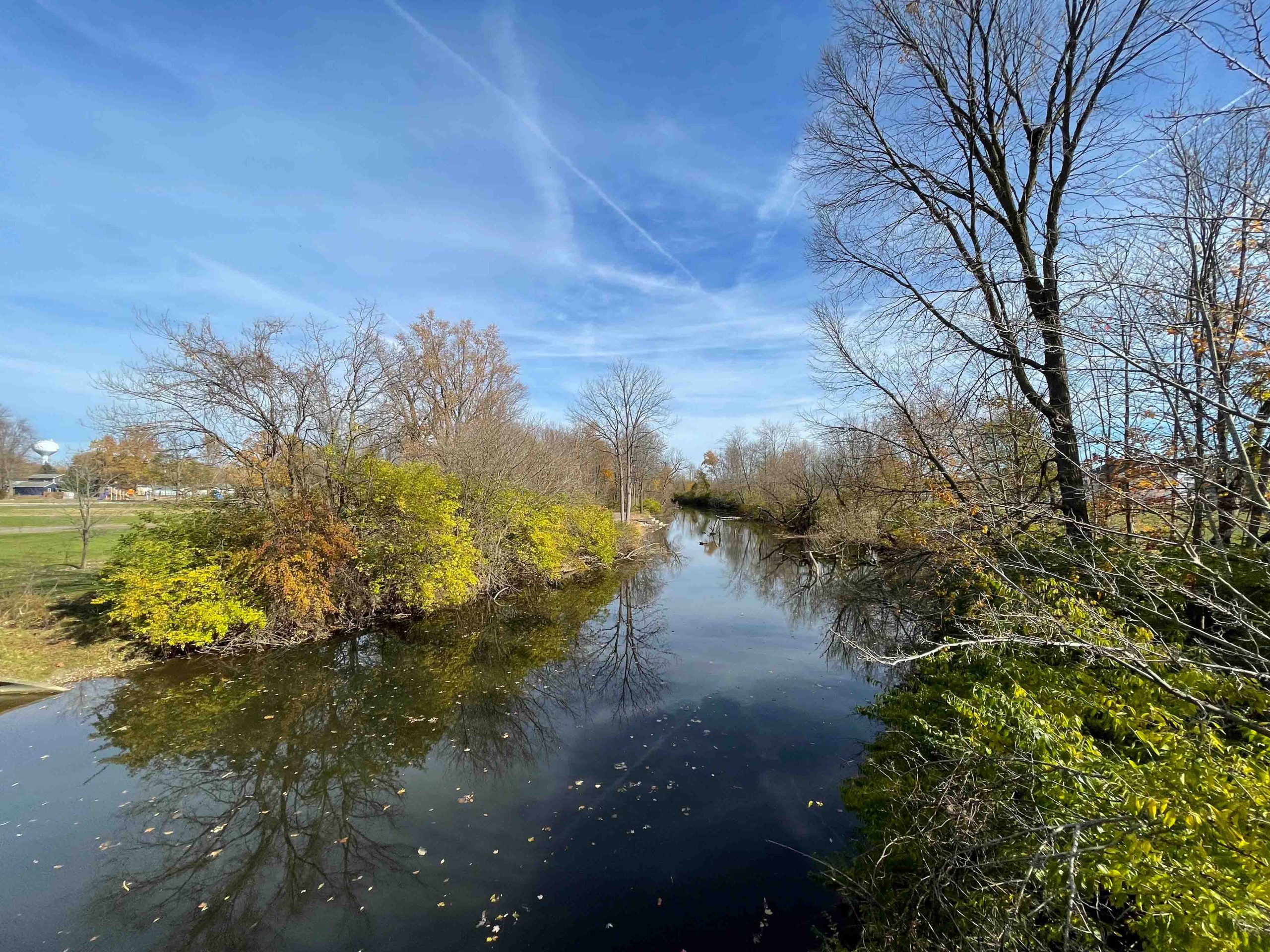
Feature image: The Saline River flows through Saline and Milan and is part of the River Raisin watershed.












 114 North Main St Suite 10 Chelsea, MI 48118