




Editor’s note: As the 82nd anniversary of D-Day approaches, The Sun Times News is honored to share a remarkable series of stories about Chelsea-area veterans whose lives were forever shaped by World War II. Drawn from extensive interviews, letters, photographs, and local history research by Cynthia Furlong Reynolds, these accounts preserve the voices of men who witnessed some of the war’s most defining moments, from Omaha Beach to the skies over Normandy.
Merle Barr, Jr.
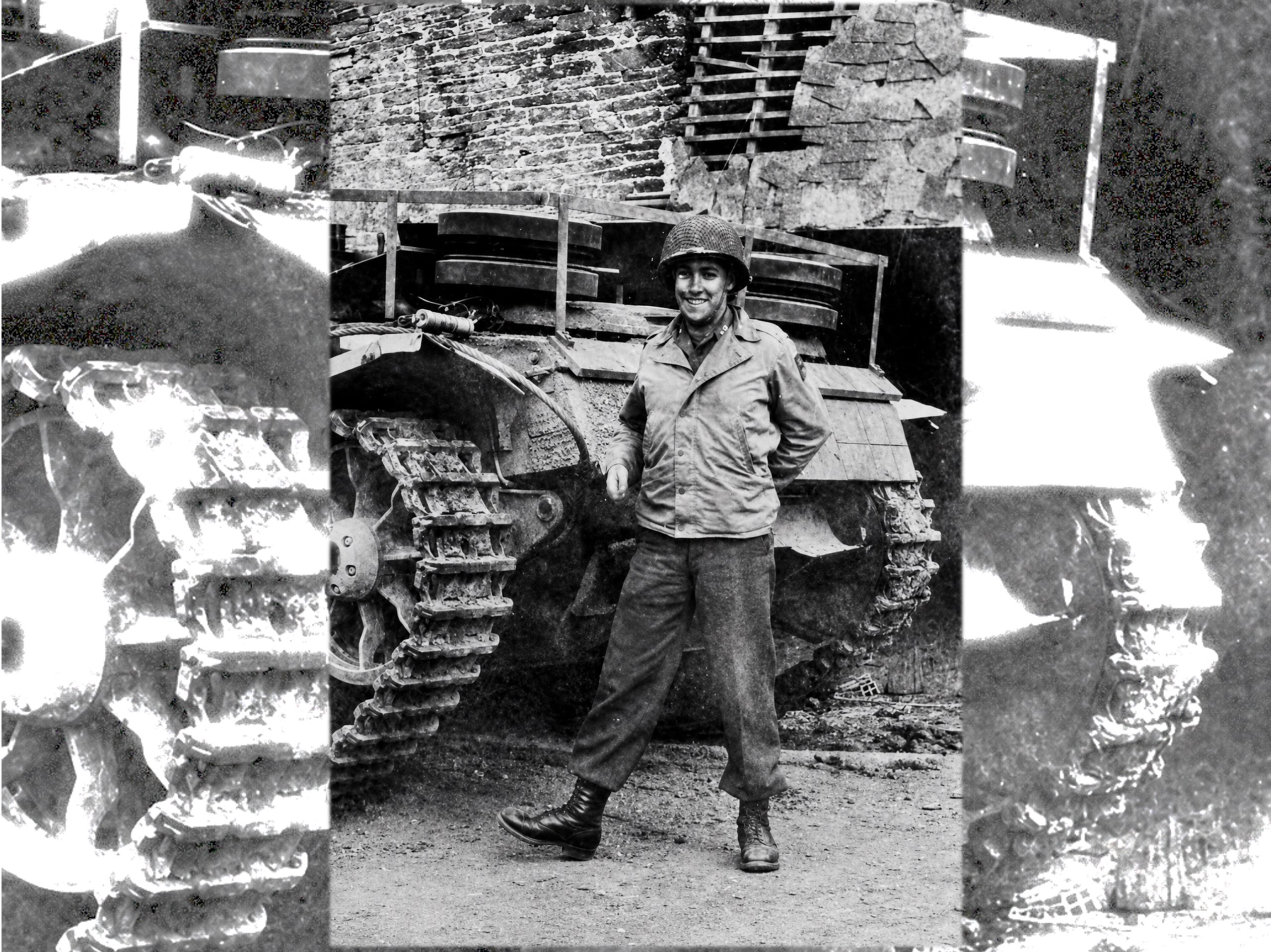
Author’s note: Merle Standish Barr (1924-2012) was the great-great-grandson of Chelsea’s founder, Elisha Congdon. He landed on Omaha Beach as a first lieutenant, but quickly made captain in the Army Corps of Engineers. Merle wrote home frequently, describing how his unit fought Germans, built bridges, detonated mines, liberated a slave labor camp, and participated in the de-militarization of Germany. Fortunately, his family kept his letters.
“Our generation grew up fast.
“Movies can begin to show the horrors of war—the sounds, the crashes, the explosions, and the sights of bodies blown apart and men wounded and dying. But movies can’t convey the smells. Blood. Gasoline. Phosphorous. Cordite. Unwashed bodies. Decaying bodies. Dying bodies. And fear. Unless you’ve been in the midst of battle, you can never truly understand what it is like on a gut level. I still lurch straight up in bed sometimes in the dark of night, smelling those smells. I don’t think a combat soldier can ever really get them out of his system, even decades after the war.

“We had no idea when or where we were headed when we boarded a vessel and put out to sea on June 3, 1944. Four days later, we landed on Omaha Beach at 6:40 a.m., seventy minutes after the initial landings. I was the second man off the starboard side. I assume about a half-dozen men got off behind me. We sank into water up to our chins, weighed down with packs, guns, and ammunition. I looked back just in time to see our landing craft explode—it had gotten a direct hit with an 8-millimeter shell. I saw two of the sailors who’d wished us luck hanging over the railing. They were dead, their bodies in flames.

“Unfortunately, not many ahead of us survived, either. As we waded ashore, we were facing lines of hedgehogs—pieces of railroad tracks the Germans had criss-crossed
“The mile-and-a-half sprint across the beach back to my battalion was a horrible experience. Bodies were floating in the water, bodies were blown to pieces on the sand, debris from destroyed vessels clogged the shoreline, military materiel was scattered everywhere, and the sand seemed to be moving, as a carpet of badly wounded soldiers crawled and writhed. As quickly as I could, I picked my way around the dead and their mutilated parts. It was a madhouse. A deadly madhouse. I discovered that a good percentage of the officers in my battalion had been killed—an 88 shell took them all out. But they had gotten the opening on the beach they were after.

“I found my platoon and took back command. At twenty-one years of age, I was in charge of thirty men. Adrenalin takes over in a time like that. Of course you’re scared to death—and anyone who says otherwise is lying—but the adrenalin pumps you up and keeps you moving, almost instinctively. We waited for orders to check for mines so the military could move through the German-held territory. By night we were a mile inland, and everyone still alive was exhausted. I slept in a hedgerow near the body of a dead German officer. We didn’t approach the German bodies because we didn’t know if they were actual soldiers or booby traps.
“You grow up very fast when you’re twenty-one and you see sights like those. After a while, you don’t know how to feel, your emotions are so mixed up. We were horrified at the sights of human and physical destruction, saddened by the loss of so many good people, elated to be alive, jubilant to be nearing the end of the war. But then we’d see sights like this and we’d get enraged.”
Postscript: The stories are adapted from Reynolds’ forthcoming book, A Village at War, now in final editing. Through these narratives, readers will gain insight not only into battlefield experiences, but also into the courage, sacrifice, and resilience of an entire community during wartime.
Featured photo: Army engineer officer Merle S. Barr poses beside a burned-out German vehicle in Europe during World War II. Barr, a Chelsea native and descendant of Chelsea founder Elisha Congdon, landed on Omaha Beach during the D-Day invasion and served with the Army Corps of Engineers throughout the European campaign. Courtesy of the author.









 114 North Main St Suite 10 Chelsea, MI 48118