


Dexter-area residents served by the Multi Lake Water and Sewer Authority will have two chances this month to learn more about PFAS detected in local wastewater, where it may be coming from and what residents can do to reduce exposure.
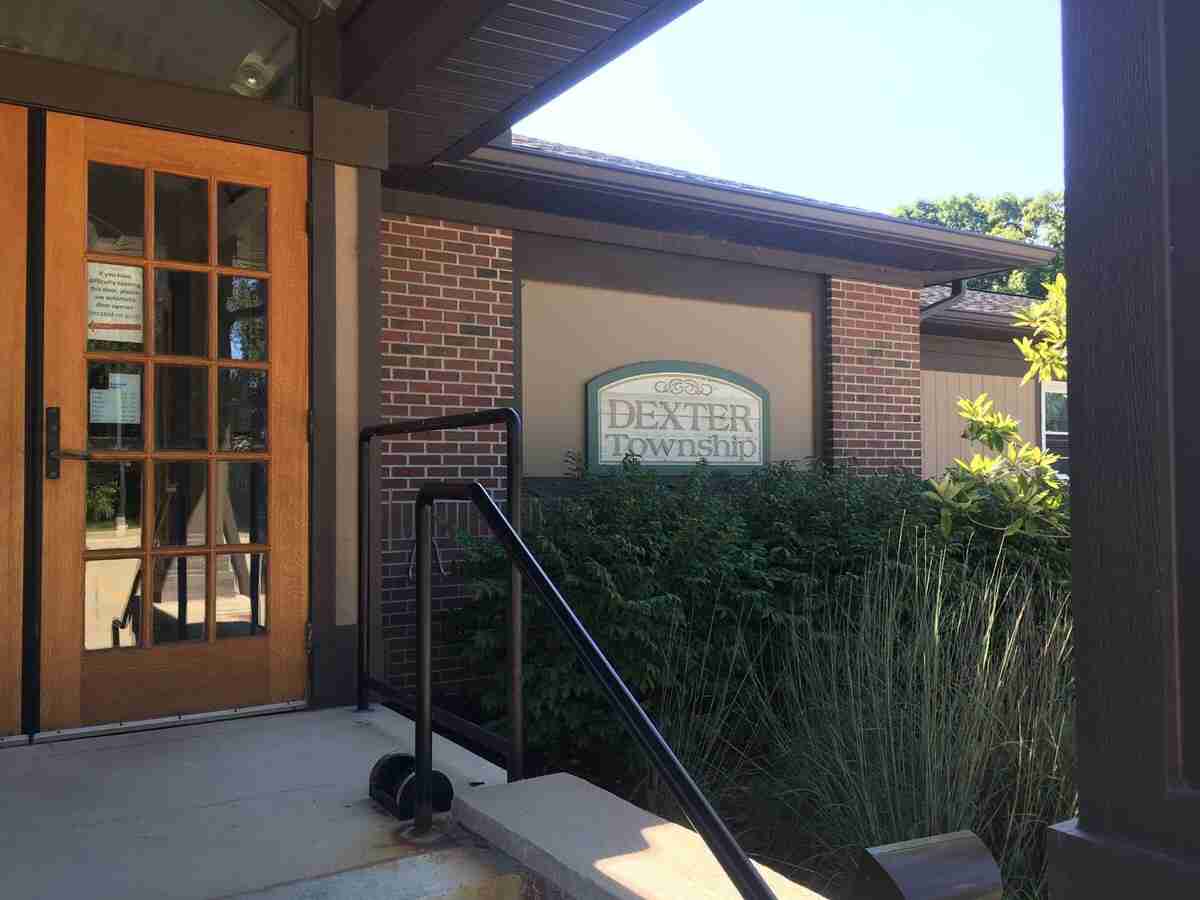
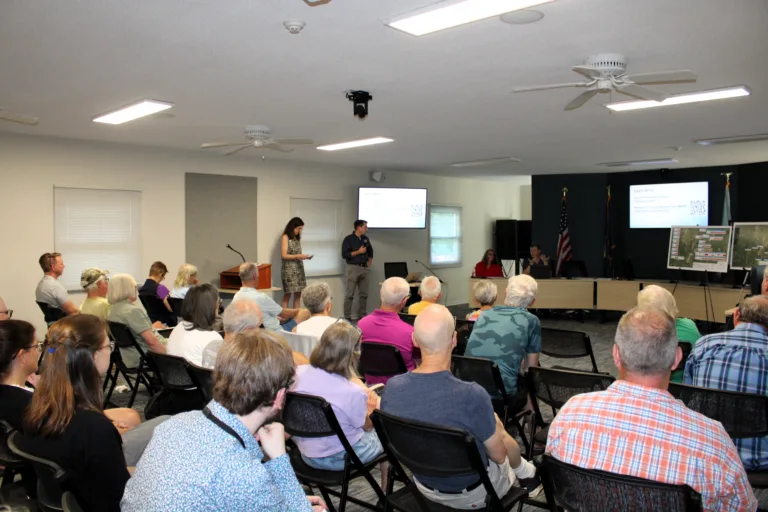
MLWSA and the Huron River Watershed Council will host community information sessions June 11 at Dexter Township Hall and June 24 at Putnam Township Hall. Both meetings will cover the same material and are free and open to the public.
The MLWSA service area includes portions of Dexter, Lyndon, Putnam and Unadilla townships.
PFAS is short for per- and polyfluoroalkyl substances, a group of long-lasting chemicals used in many consumer and industrial products. They are often called “forever chemicals” because they do not break down easily in the environment.
The chemicals can be found in everyday products, including stain-resistant fabrics, nonstick cookware, food packaging, cleaning products and personal care items. As those products are used, washed and disposed of, trace amounts can enter wastewater systems.
Grant-funded sampling was conducted in wastewater entering and leaving the treatment plant, at locations throughout the sewer system and in groundwater monitoring near where treated wastewater is discharged, according to MLWSA Director Kathleen Root.
Root said PFAS compounds were detected in the wastewater entering the treatment plant. Because the treatment process does not remove PFAS, those compounds remain in the treated wastewater.
The Michigan PFAS Action Response Team says municipal wastewater treatment plants do not produce or use PFAS. Instead, they receive wastewater that may already contain the chemicals. Conventional wastewater treatment plants are not designed to remove PFAS, which may pass through treatment systems to surface water or groundwater.
Root said current monitoring results indicate the PFAS detected in the treated wastewater is consistent with residential and household sources, rather than the treatment plant itself being the source of contamination.
Daniel Brown, climate resilience strategist and emerging contaminants specialist with HRWC, said the meetings are intended to share sampling results and discuss ways MLWSA customers and nearby residents can avoid PFAS exposure.
Brown said the findings also show how widespread PFAS use is in consumer goods and household materials.
“This is not a challenge limited to MLWSA,” Brown said. “Hamburg Township and many other rural, residential communities across Michigan are dealing with the same issue.”
Residents with drinking water questions can review the state’s PFAS drinking water standards, which apply to seven PFAS compounds in public water supplies. Residents who fish locally can also check the Michigan Department of Health and Human Services Eat Safe Fish Guides for county-specific fish consumption guidelines.
The first meeting is scheduled for 6 to 7:30 p.m. Thursday, June 11, at Dexter Township Hall, 6880 Dexter-Pinckney Road, Dexter. The second meeting is scheduled for 7 to 8:30 p.m. Wednesday, June 24, at Putnam Township Hall, 3280 W. M-36, Pinckney.












 114 North Main St Suite 10 Chelsea, MI 48118