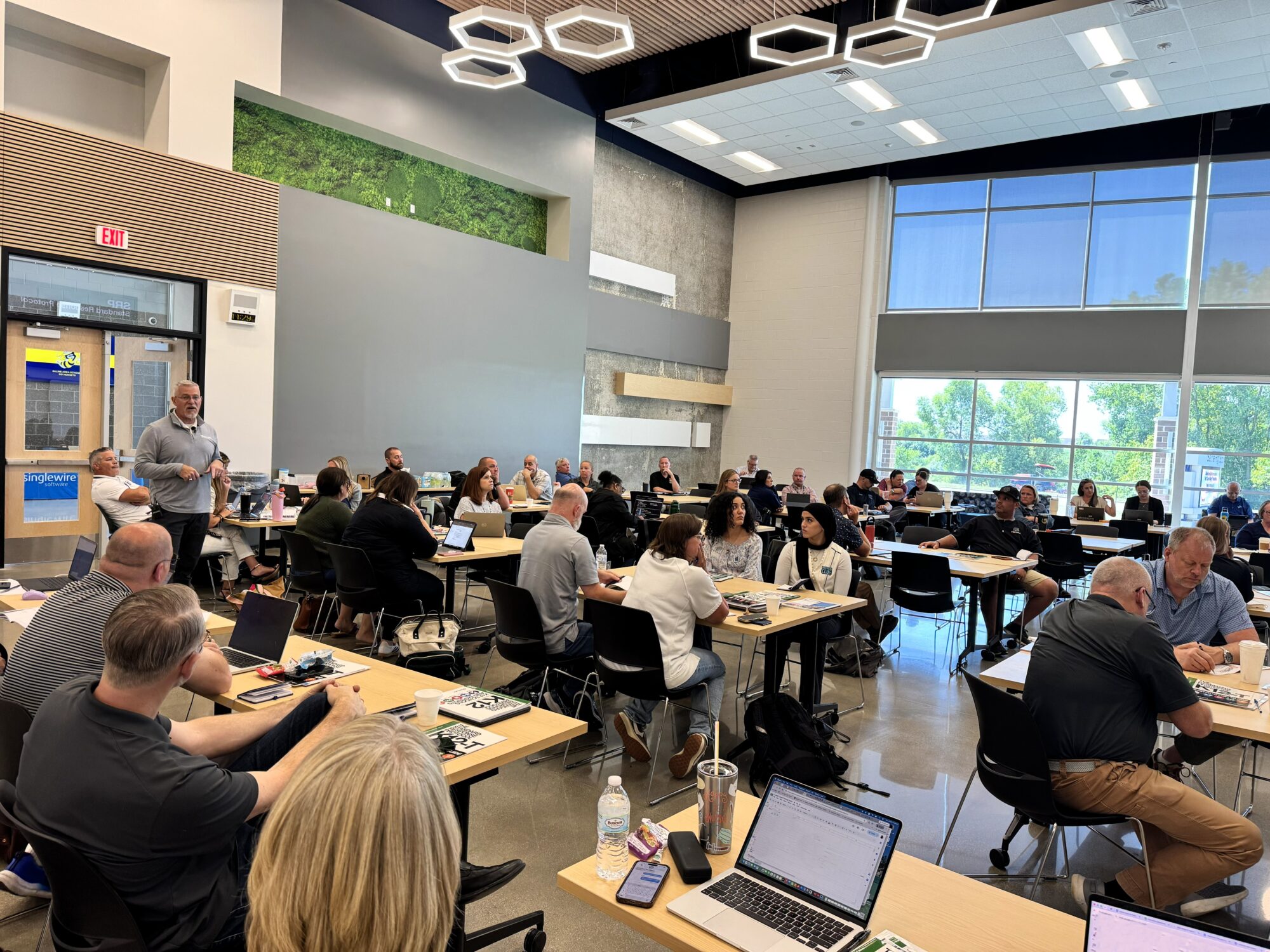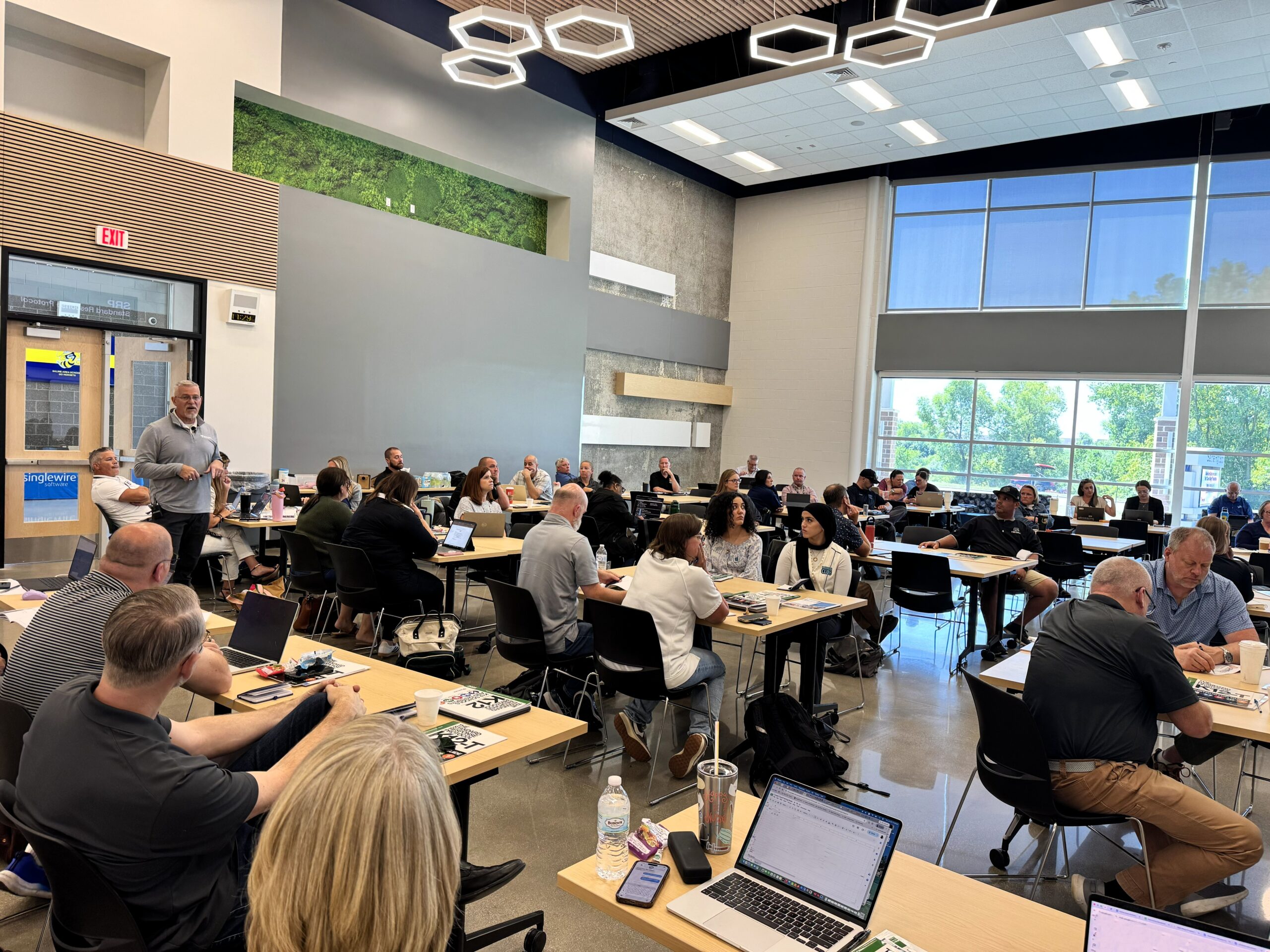




Educators, police officers and safety professionals from across Michigan gathered at Saline High School Thursday to explore how a shared emergency response system can work in different schools and community settings.
The July 23 training brought 45 participants from 24 organizations to the Saline High School STEAM Center. Attendees included representatives from Saline, Milan and Chelsea schools, along with other public, private and faith-based schools, early childhood programs, police agencies and the Detroit Zoo.
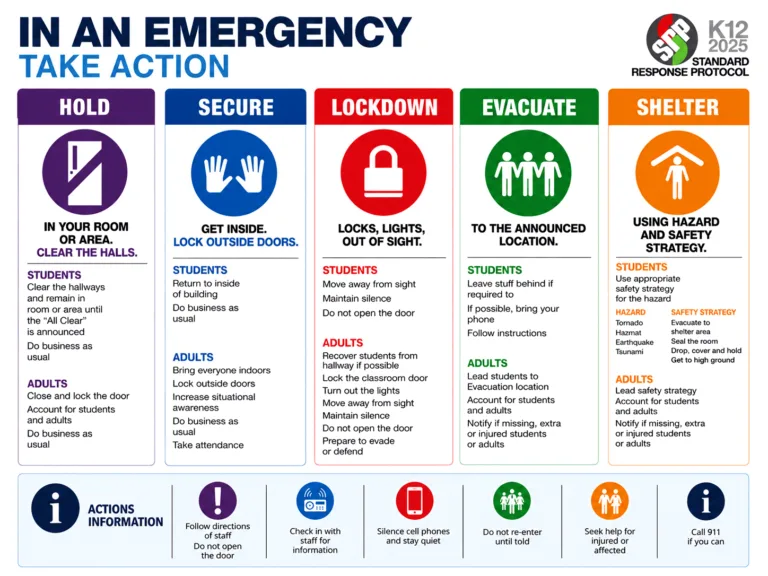
The session focused on the Standard Response Protocol developed by The “I Love U Guys” Foundation. Beginning with the 2026-27 school year, Michigan public and nonpublic schools are required to adopt and implement standardized emergency response terminology, making Thursday’s training part of a broader statewide shift toward one shared system.
Earlier Sun Times News coverage explained the terminology and what the change means for families in Saline and Milan. Thursday’s training moved beyond those definitions to focus on putting the system into practice.
Trainer Jim French encouraged participants to consider the layouts and needs of their own facilities. Procedures that work in a traditional classroom, for example, may need to be adapted for a gymnasium, cafeteria, outdoor area or glass-walled learning space.

Organizations also were encouraged to plan for accounting for students, supporting people with disabilities and coordinating with responding law enforcement agencies.

French said shared terminology is especially valuable when several organizations or jurisdictions are involved.
“All of them are going to come in a moment of crisis,” French said. “So the more we all know what we’re talking about, the clearer it is.”
Older emergency plans sometimes relied on color codes or phrases that varied among buildings and communities. The standardized system is intended to make instructions easier to understand without requiring people to interpret what a particular code means.
French said the approach often begins with schools and law enforcement but can extend to municipal buildings, hospitals, faith-based organizations and other public spaces.
That broader use was reflected in Thursday’s attendance, which included organizations from across the state.
Jackelyn Martin, executive director of communications and community relations for Saline Area Schools, said having a recognized statewide framework helps districts provide consistent instructions across buildings.
Saline began adopting the protocol before it became the statewide standard. Martin said the district saw value in having one system students and staff could carry with them as they moved between buildings.
The training also emphasized that shared terminology does not replace local planning. Participants were encouraged to work with police, emergency managers and staff members to identify the needs of their facilities and regularly review their procedures.
French described the process as one of asking questions, testing plans and continuing to improve.
The free training was sponsored by Singlewire Software, the company behind the InformaCast notification system used by Saline Area Schools. Saline served as the host site.









 114 North Main St Suite 10 Chelsea, MI 48118