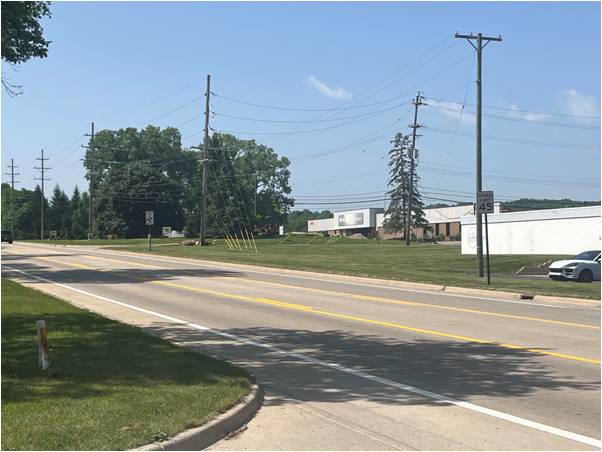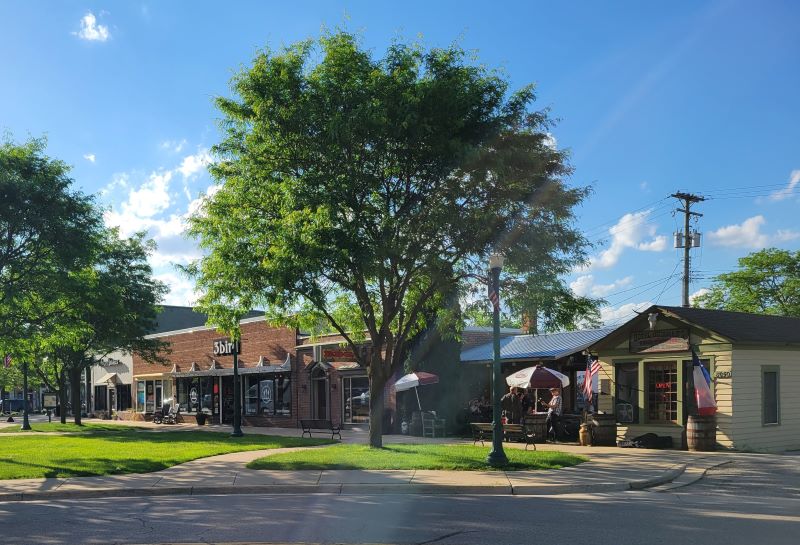





The Dexter City Council has accepted a donation from the Dexter Historical Society and the community-led Historic Sign Committee to install three permanent historical signs in downtown Dexter, bringing local history into the streetscape through an innovative design that allows visitors to compare the past with the present.
The signs are being funded entirely through private donations from civic organizations and community members. The city will assume ownership and long-term maintenance responsibilities after installation and final inspection by the Department of Public Works. Each sign is expected to cost approximately $10,000.
Designed to Let History and the Present Overlap
Unlike traditional historical markers, the Dexter signs will be made of transparent tempered glass. Historic photographs and interpretive text will be etched into the glass, allowing viewers to look through the sign and see the modern-day location behind it. The concept enables people to visually compare historic scenes with the current streetscape.
Where the Signs Will Be Located
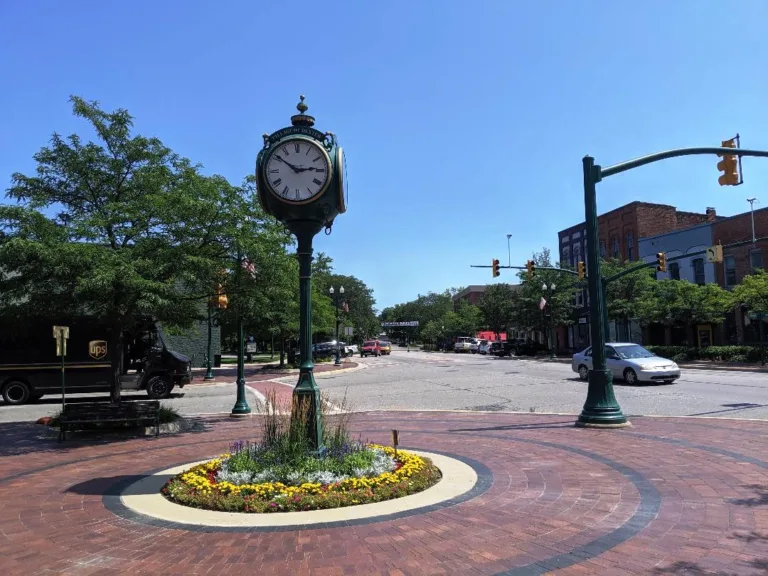
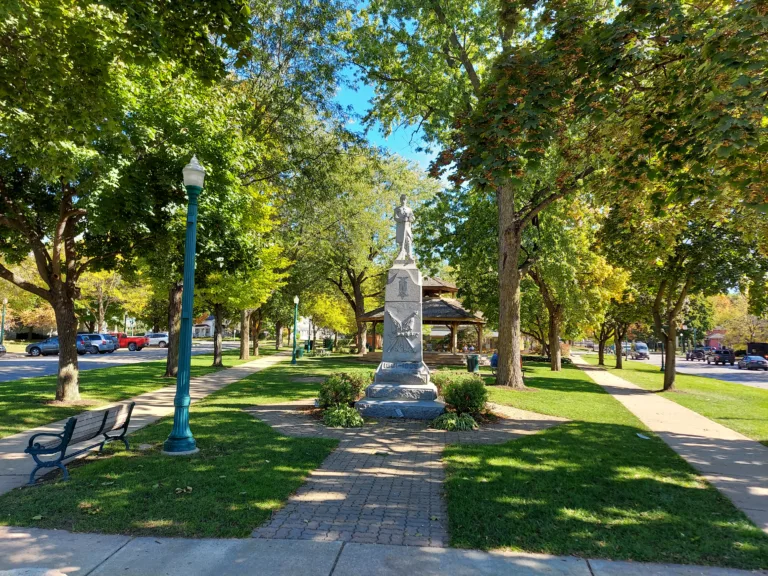
The three signs will be installed at Monument Park, Clocktower Plaza, and the south side of Main Street downtown
Earlier project presentations identified the themes and viewing locations for the first three signs:
- Old Wooden Row: viewed from across Central Street.
- South Main Street: viewed from the Clocktower Plaza area, focusing on the buildings and businesses that once occupied the south side of Main Street.
- Northwest Main Street: viewed from across the street near the bakery and T-shirt shop area.

What the Signs Will Show
One of the completed sign designs included in the council packet is titled “North Main — Dexter’s First Shops.” The sign combines multiple historic photographs from different eras with explanatory text describing the development of downtown Dexter.
The display explains that the north side of Main Street was the starting point of Judge Samuel Dexter’s original village layout. It recounts how early wooden commercial buildings were repeatedly damaged by fires before brick structures became the dominant architecture by the late 1800s. Historic photographs show muddy streets and plank sidewalks in 1868, storefronts at the corner of Main and what is now Broad Street in 1899, and the appearance of the downtown business district during the 1930s.
The sign also points out details that modern visitors might otherwise miss, including the location of the former mill where the fire station now stands, a downtown comfort station that operated from 1930 to 1951, the office of Dr. Neil Gates, and even a short-lived gas station that once occupied part of the block.

Community Project Years in the Making
The project began with a committee made up of residents, historical society members, Arts, Culture and Heritage representatives, a graphic designer and other community volunteers. Committee members researched sign materials, interviewed manufacturers, walked downtown to identify the best viewing locations, and worked with city staff throughout the planning process.
Installation of the signs is expected to take place during the summer or early fall of 2026.
Featured photo: Looking across Central Street toward the buildings once known as Dexter’s “Old Wooden Row,” this present-day view shows the location where one of three new downtown historical signs will be installed. The transparent sign will allow visitors to compare historic photographs of the village’s last wooden commercial block with the modern streetscape visible behind it. Photo by Doug Marrin.








 114 North Main St Suite 10 Chelsea, MI 48118